Can Salt Lake City DUI Lawyers Challenge Breathalyzer Accuracy?
Yes, Salt Lake City DUI lawyers can and do challenge breathalyzer accuracy through multiple legal strategies. These challenges examine device calibration, testing procedures, and whether equipment meets federal standards. With Utah’s strict 0.05% BAC limit, the lowest in the nation, the accuracy of breath testing devices becomes even more critical in DUI cases throughout Salt Lake City.
If you’re facing DUI charges in Salt Lake City, Nix Law understands the technical complexities of breathalyzer challenges. Call 385-444-2442 or contact us now to discuss your case.
Understanding Breathalyzer Technology in Utah DUI Cases
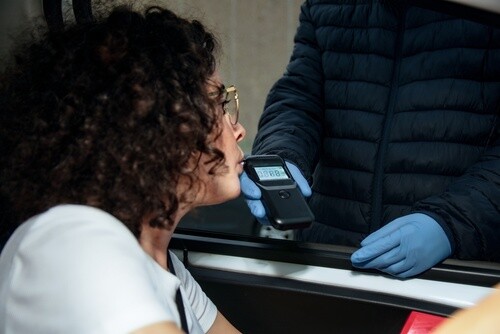
Breathalyzer devices measure alcohol concentration in breath samples to estimate blood alcohol content. In Salt Lake City, law enforcement primarily uses the Intoxilyzer 5000 and 8000 models. These devices are often evaluated against technical standards maintained by the National Highway Traffic Safety Administration (NHTSA).
The technology relies on infrared spectroscopy to detect alcohol molecules in breath samples. However, this process can be affected by various factors including water vapor, breath temperature, and individual physiological differences. Understanding these technical aspects provides the foundation for potential legal challenges.

Federal Standards That Apply to Salt Lake City Breathalyzers
The National Highway Traffic Safety Administration (NHTSA) maintains Model Specifications for breath alcohol measurement devices and publishes a Conforming Products List (CPL) of devices that have been tested and determined to conform to these specifications. These alcohol measurement device standards create benchmarks for design, testing, and approval that many states reference or adopt for equipment used in DUI enforcement.
Devices appearing on the NHTSA Conforming Products List (CPL) have been tested and determined to conform to these specifications. Devices on the CPL are required for federal programs such as DOT workplace alcohol testing, and many states reference or adopt NHTSA standards for their DUI enforcement programs, though states are not federally required to use only CPL-listed devices. Volpe’s Alcohol Countermeasures Laboratory serves as the primary NHTSA-recognized facility that tests and approves these devices.
💡 Pro Tip: Request documentation showing the specific make and model of the breathalyzer used in your case. Cross-reference this information with the NHTSA Conforming Products List to verify the device has passed federal testing standards.
How Utah’s 0.05% BAC Limit Affects Breathalyzer Challenges
Utah stands alone as the only state where the prohibited blood alcohol concentration for drivers 21 and older is 0.05% or lower. This lower threshold means breathalyzer accuracy becomes even more critical, as the margin between legal and illegal BAC levels is narrower than anywhere else in the country.
The reduced BAC limit increases the importance of precise calibration and proper testing procedures. Even minor variations in breathalyzer readings can mean the difference between a conviction and dismissal. Salt Lake City DUI attorneys must carefully scrutinize device maintenance records and calibration logs to identify potential accuracy issues.
Common Technical Challenges to Breathalyzer Results
Water vapor can significantly affect breath test results, making this a key area for legal challenges. The NHTSA recognizes this issue, requiring testing devices to account for varying moisture levels. Defense attorneys examine whether the device properly compensated for humidity and temperature variations during testing.
Calibration records provide another avenue for challenging breathalyzer accuracy. Utah law requires regular calibration of breath testing devices, and any gaps in maintenance records or improper calibration procedures can cast doubt on test results. These technical deficiencies often form the basis of successful legal challenges.
Officer Training and Certification Requirements
Utah POST provides specific training requirements for officers operating Intoxilyzer devices in Salt Lake City. Officers must complete an initial one-day, eight-hour certification course if they’ve never been certified on the Intoxilyzer 8000 and 9000. Previously certified officers require shorter recertification courses.
Inadequate officer training or expired certifications can invalidate breathalyzer results. Defense attorneys routinely request training records and certification documentation to verify that the administering officer met all state requirements at the time of testing.
💡 Pro Tip: Document the officer’s badge number and request their Intoxilyzer certification status during any DUI stop. This information becomes valuable if challenging the admissibility of breath test results later.
Legal Strategies Used by DUI Attorney in Salt Lake City
Challenging the "actual physical control" element often intersects with breathalyzer accuracy disputes. Utah law allows DUI charges even when someone isn’t actively driving but has actual physical control of a vehicle. This broader definition means breathalyzer timing and administration become crucial factors in building a defense.
Pre-test observation periods and testing protocols must follow strict procedures. Any deviation from required observation times or testing sequences can compromise results. Experienced attorneys analyze dashcam footage and police reports to identify procedural violations that might invalidate breath test evidence.
The Role of Independent Testing in Breathalyzer Challenges
Independent forensic analysis can reveal breathalyzer malfunctions or calibration errors. Salt Lake City DUI lawyers often work with forensic consultants who understand the technical specifications of breath testing devices. These professionals can identify issues that might not be apparent from standard maintenance records.
Source code examination represents an advanced challenge strategy for sophisticated cases. Some defense teams request access to the breathalyzer’s proprietary software code to identify programming errors or calculation flaws. While courts don’t always grant these requests, they can be powerful tools in appropriate cases.
Administrative vs. Criminal Breathalyzer Challenges
Utah separates administrative driver license actions from criminal DUI charges, creating two distinct venues for challenging breathalyzer results. The administrative process through the Utah Driver License Division operates independently, meaning your license can face suspension even before criminal conviction. This dual-track system requires strategic coordination between administrative hearings and criminal defense.
Time limits for challenging administrative actions are typically shorter than criminal case deadlines. Missing these administrative deadlines can result in automatic license suspension, regardless of the criminal case outcome. Effective defense requires immediate action on both fronts.
💡 Pro Tip: Request an administrative hearing with the Utah DLD within 10 days of arrest to preserve your right to challenge the breathalyzer results in the administrative forum. This hearing operates separately from your criminal case.
Impact of Breathalyzer Results on Ignition Interlock Requirements
Convicted DUI offenders in Salt Lake City face mandatory ignition interlock device (IID) installation periods. Drivers 21 and older must have an IID installed for 18 months, while those under 21 face a three-year requirement. Successfully challenging breathalyzer accuracy can help avoid these lengthy restrictions.
IID violations trigger additional penalties including 60-day extensions for each breath violation. This policy, effective since May 2023, makes initial breathalyzer challenges even more important. Avoiding conviction through successful accuracy challenges prevents years of IID monitoring and potential violations.
Medical Conditions That Affect Breathalyzer Accuracy
Certain medical conditions can produce false positive results or interfere with breath testing. Diabetes, acid reflux, and respiratory conditions may affect breath alcohol readings. Utah DUI defense strategies often include medical documentation to explain anomalous breathalyzer results.
Utah allows medical exemptions from IID requirements for qualifying conditions. Drivers must provide medical documentation, complete spirometry testing, and undergo review by the medical advisory board. Understanding these medical factors helps attorneys identify viable breathalyzer challenges based on individual health circumstances.
Zero Tolerance and Underage Breathalyzer Challenges
Utah’s "not a drop" policy creates unique challenges for drivers under 21. Any detectable alcohol triggers penalties, making breathalyzer accuracy crucial for young drivers. Even trace amounts from mouthwash or medications can trigger violations under this zero-tolerance standard.
Challenging breathalyzer results becomes especially important for underage drivers facing three-year IID requirements. The extended penalty period for drivers under 21 makes thorough examination of breath test accuracy essential. Defense strategies often focus on device sensitivity and potential false positive sources.
Building Your Breathalyzer Defense Strategy
Successful breathalyzer challenges require immediate action and comprehensive evidence gathering. Document everything about your arrest, including weather conditions, time of day, and any medical conditions. Request all available records including calibration logs, maintenance records, and officer training documentation.
Working with attorneys who understand both the technical and legal aspects of breathalyzer challenges improves defense outcomes. The intersection of Utah DUI laws and federal device standards creates multiple avenues for challenging breath test results. Experienced counsel can identify which strategies best fit your specific circumstances.
💡 Pro Tip: Create a detailed timeline of events leading to your breath test, including what you consumed, when you last ate, and any medications taken. This information helps attorneys identify factors that might have affected breathalyzer accuracy.
Frequently Asked Questions
How long do I have to challenge breathalyzer results in Salt Lake City?
Administrative challenges through the Utah DLD must typically be requested within 10 days of arrest. Criminal case challenges follow different timelines set by court procedures. Missing the administrative deadline can result in automatic license suspension regardless of criminal case outcomes.
Can I refuse a breathalyzer test in Utah?
Utah’s implied consent law means that refusing a breathalyzer or field sobriety test carries separate penalties. Refusal can result in immediate driver’s license suspension and often carries more severe consequences than a DUI conviction itself.
What breathalyzer models do Salt Lake City police use?
Salt Lake City law enforcement primarily uses Intoxilyzer 5000 and 8000 models. These devices must meet NHTSA Model Specifications and appear on the Conforming Products List to be considered reliable for court evidence.
Can breathalyzer results below 0.05% still lead to DUI charges?
Yes, Utah law allows DUI charges based on observable impairment even below the 0.05% BAC threshold. Prosecutors can pursue charges if they believe you were impaired to a degree that rendered you incapable of safely operating a vehicle.
How much does challenging breathalyzer accuracy typically improve case outcomes?
While specific outcomes depend on individual case facts, successful breathalyzer challenges can lead to reduced charges, dismissals, or acquittals. The technical nature of these challenges makes working with attorneys experienced in DUI defense particularly important.
Protecting Your Rights After a Salt Lake City DUI Arrest
Challenging breathalyzer accuracy requires swift action and thorough understanding of both Utah law and federal testing standards. The state’s unique 0.05% BAC limit and strict penalties make these challenges particularly important for protecting your driving privileges and avoiding long-term consequences. From examining device calibration to verifying officer training, multiple strategies exist for questioning breath test reliability.
Don’t face these complex technical and legal challenges alone. Nix Law has extensive experience challenging breathalyzer evidence in Salt Lake City DUI cases. Call 385-444-2442 today or contact us now to discuss your breathalyzer defense options.