
What Makes a CSAM Charge Aggravated Under Utah Law?
Distribution, Production, and Parental Consent: Where Utah Draws the Line Key Takeaways: Under Utah Code § 76-5b-201.1, a CSAM charge becomes aggravated when someone knowingly distributes or produces child sexual abuse material, or when a parent or legal guardian knowingly consents to or permits a minor’s sexual exploitation. Possessing or viewing CSAM alone is generally […]
Who Qualifies for Drug Court in Salt Lake City, Utah?
Understanding How Salt Lake City’s Drug Court Decides Who Gets a Second Chance Key Takeaways: Drug court in Salt Lake City is generally available to defendants with a diagnosed substance use disorder, a qualifying non-violent and substance-driven charge, an acceptable criminal history, and willingness to accept intensive judicial supervision. Utah’s drug courts are specialized problem-solving […]
Utah’s August 2026 DUI Blitz: How Attorneys Challenge Holiday Stops
Impaired Driving vs DUI Utah: What the August 2026 Blitz Means for Drivers Key Takeaways: Utah’s August 2026 DUI blitz brought heightened checkpoints and saturation patrols across Salt Lake City, increasing arrests during the Labor Day period. Understanding the difference between impaired driving vs dui utah charges can shape how a case is defended and […]
How Utah’s Registry Removal Law Moved to Utah Code 53-29 in 2025
Utah’s Offender Registry Statutes Have a New Address in the Code Key Takeaways: Utah’s sex, kidnap, and child abuse offender registry provisions, including removal rules, now live in Title 53, Chapter 29 of the Utah Code, effective May 7, 2025, consolidating statutes previously in Title 77, Chapter 41. The relocation restructured the registry framework, so […]
When Must Salt Lake City Police Arrest on a Domestic Violence Call?
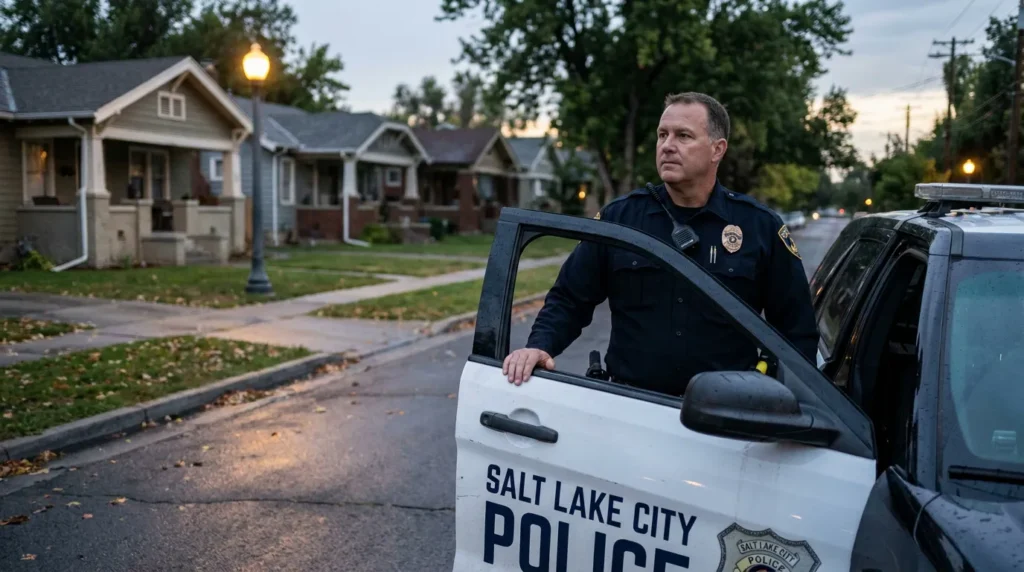
How Utah’s Cohabitant Abuse Procedures Act Shapes a 911 Response in Salt Lake City Key Takeaways: Salt Lake City officers responding to a domestic violence call who develop probable cause that a domestic violence offense occurred between cohabitants must either arrest without a warrant or issue a citation, even if the conduct happened outside their […]
Defending Fentanyl Charges After Utah’s August 2026 204,000-Pill Seizure
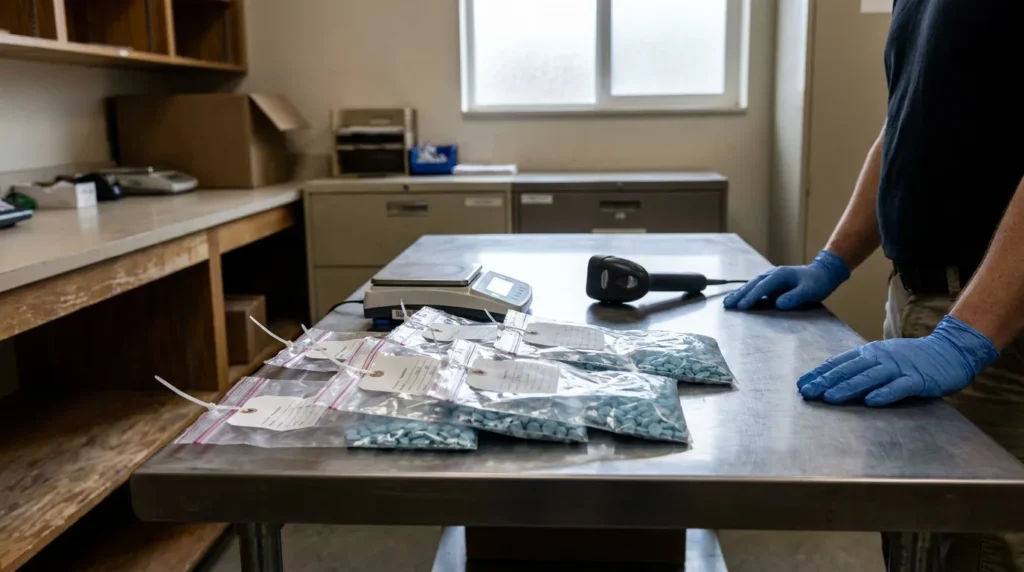
When A Drug Dog Sniff Traffic Stop In Utah Turns Into A Fentanyl Case Key Takeaways: After Utah’s headline-making August 2026 seizure of roughly 204,000 fentanyl pills, prosecutors are pursuing aggressive felony distribution and trafficking charges tied to drug quantity. A drug dog sniff traffic stop in Utah is often the starting point for these […]
What Is a Jail Release Agreement Under Utah Code 78B-7-802?
Understanding the Paperwork You Sign Before Walking Out of Jail Key Takeaways: A jail release agreement under Utah Code § 78B-7-802 is a written document a person arrested or cited for a qualifying domestic violence offense may sign as an alternative to waiting for the matter to be submitted to a magistrate, imposing interim conditions […]
How Utah Code 76-2-303 Defines Entrapment in Online Sting Cases

Understanding Utah’s Entrapment Defense When Police Pose as Minors Online Key Takeaways: Utah Code § 76-2-303 defines entrapment as police conduct that induces an offense through methods creating a substantial risk that the offense would be committed by someone not otherwise ready to commit it, while excluding conduct that merely affords someone the opportunity to […]
Who Qualifies for Utah’s Ignition Interlock Employment Exemption?
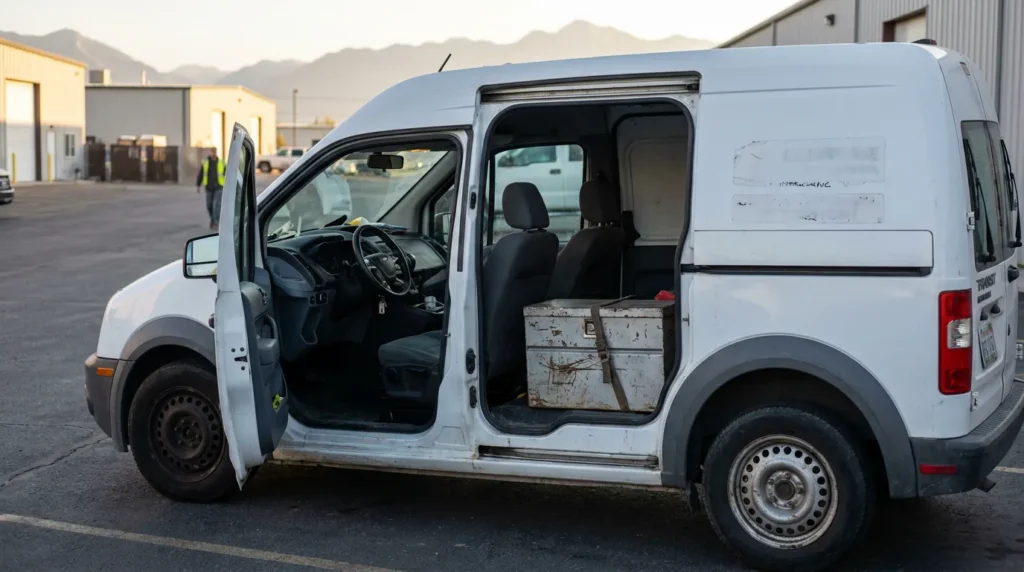
Understanding the Work Vehicle Carve-Out in Utah’s Interlock Law Key Takeaways: Utah law generally requires interlock restricted drivers to have an approved device on any vehicle they operate, but the statute provides a narrow employment-related affirmative defense. That defense requires several conditions at once: the vehicle must be the employer’s and not available for personal […]
What Is an Alcohol Restricted Driver in Utah and Who Qualifies?
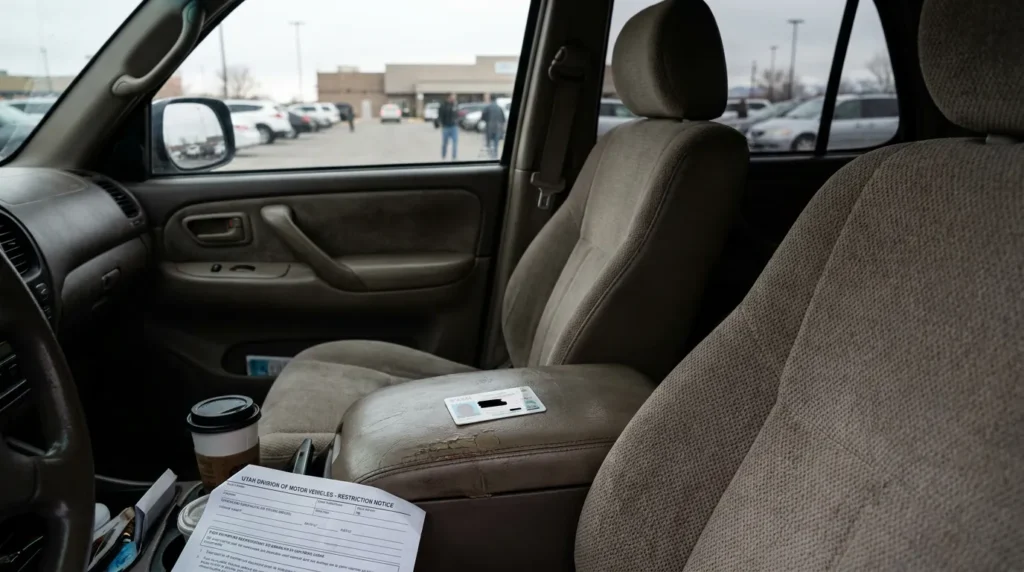
Utah’s Zero-Tolerance Rule: Understanding Alcohol Restricted Driver Status Key Takeaways: An alcohol restricted driver in Utah, as defined under Utah Code § 41-6a-529, is prohibited by Section 41-6a-530 from driving with any measurable or detectable amount of alcohol in their body, replacing the state’s 0.05% BAC standard with zero tolerance. The status applies to individuals […]