
Calling 911 During an Overdose in Utah: What the Law Actually Protects
Key Takeaways: Utah’s Good Samaritan overdose law (Utah Code § 58-37-8(16)) is an affirmative defense, not blanket immunity, it’s raised after charges are filed and doesn’t prevent arrest. It protects overdose victims and bystanders who report in good faith to medical providers, EMS, law enforcement, or 911, but only if you: provide a location description, remain at the scene until help arrives, and cooperate with responders. Coverage is limited to specific offenses: possession or use of under 16 ounces of marijuana, possession or use of other controlled substances, and paraphernalia violations. Distribution charges, weapons, warrants, and probation violations aren’t covered. "Good faith" excludes help sought during execution of a search or arrest warrant.
Utah’s Good Samaritan overdose provision is a narrow legal shield, not a blanket pass. Codified as an affirmative defense in Utah Code § 58-37-8(16), it means a person who calls for help during an overdose may raise the statute in response to certain low-level drug charges rather than avoiding criminal contact altogether. The protection applies when someone reasonably believes they or another person is experiencing an overdose and reports that event in good faith to a medical provider, EMS, law enforcement, or 911 dispatch, then satisfies the statute’s remaining conditions.
If you called for help during an overdose and now face charges, Nix Law is prepared to review what happened. Call 385-444-2442 or contact us now to discuss your situation with a Salt Lake City criminal defense attorney.
Why Utah Lawmakers Created Overdose Reporting Protections
The policy behind this statute is straightforward: people were dying because bystanders were afraid to call. Drug poisoning has been a leading cause of injury death in Utah, outpacing firearms, falls, and motor vehicle crashes. Roughly ten Utah adults died each week from drug overdose in the period leading up to the law’s passage.
Prescription medications drove the problem, with pain medications causing more deaths than all other drugs combined. Rep. Carol Spackman Moss proposed that lawmakers formally declare the state’s opioid overdose problem a medical emergency. The overdose reporting protections were enacted through House Bill 11 in 2014, which amended § 58-37-8 and created § 76-3-203.11.
How the Utah Good Samaritan Overdose Law Works in Practice
The statute functions as an affirmative defense, which is a meaningful legal distinction. An affirmative defense is raised after charges are filed; it doesn’t automatically prevent arrest or prosecution. A person may still be booked, cited, or charged and must then assert the defense through counsel, supported by facts about the call, the caller’s belief, and response circumstances. A defendant asserting the Good Samaritan defense must establish it by a preponderance of the evidence as a general matter of Utah affirmative defense law, though Subsection (16) of § 58-37-8 does not contain its own parallel notice or preponderance-of-evidence provision.
This differs from true immunity, though "overdose immunity Utah" gets used loosely online. Success depends heavily on specific facts: what was reported, to whom, and when.
Who Is Protected Under the Good Samaritan Law
The protection extends to both the person experiencing the overdose and the bystander who seeks help. Under Utah Code § 58-37-8(16)(a), the person or bystander must reasonably believe that they or another person is experiencing an overdose and must report, or assist someone who reports, that event in good faith to a medical provider, EMS, law enforcement, or 911 dispatch.
The statute requires: a functional description of the actual location, that the person remain until a responder arrives, and that the person cooperate with responding providers and law enforcement. Additionally, the charged offense must have been committed in the same course of events from which the reported overdose arose.
A person doesn’t have to be the one who dials, assisting someone who reports can fall within the statute’s language, which matters in group settings.
Which Offenses the Defense Actually Covers
The defense is limited to specific low-level drug offenses. Under § 58-37-8(16)(b), it applies to possession or use of less than 16 ounces of marijuana, possession or use of a scheduled or listed controlled substance other than marijuana, and violations of Chapter 37a (Utah Drug Paraphernalia Act) or Chapter 37b (Imitation Controlled Substances Act).
What the statute doesn’t cover is equally important. Distribution allegations, possession with intent to distribute, weapons enhancements, outstanding warrants, probation or parole violations, and offenses arising outside the course of events of the reported overdose are generally excluded. Though the statute sets no quantity limit for controlled substances other than marijuana, large quantities are often charged as possession with intent to distribute, which falls outside the defense.
| Situation | Statutory Coverage |
|---|---|
| Simple possession of a controlled substance | Generally listed under § 58-37-8(16)(b) |
| Possession of under 16 ounces of marijuana | Generally listed |
| Paraphernalia or imitation substance violations | Generally listed |
| Distribution or intent to distribute | Not among the listed offenses |
| Assistance sought during execution of a search warrant | Excluded from "good faith" |
💡 Pro Tip: Write down everything you remember about the call immediately, time, what you told dispatch, who was present. Dispatch recordings and response logs can corroborate a good-faith report, but memory fades quickly.
The Good Faith Limitation That Trips People Up
The statute defines what good faith is not, and that carve-out is significant. Under § 58-37-8(16)(c), "good faith" does not include seeking medical assistance during a law enforcement agency’s execution of a search warrant, arrest warrant, or other lawful search. A request for medical help made after officers have already begun a lawful search generally won’t qualify.
This exclusion creates fact-intensive disputes. The sequence of events, timing of the call relative to police arrival, and whether a search was lawful can all become contested issues. Where a search was constitutionally defective, a suppression motion may be a separate avenue.
Anyone navigating this should consult a lawyer early, because the record built in the first days often determines what arguments remain available later.
Sentencing Mitigation When the Full Defense Is Unavailable
Even where the affirmative defense doesn’t fully apply, the reporting effort may still matter. Section 58-37-8(16)(c) references Utah Code § 76-3-203.11, which makes the same good-faith overdose reporting conduct a mitigating factor in sentencing for offenses under Title 58, Chapter 37, and for controlled substance offenses under Title 76, Chapter 18, Part 2. It operates as a sentencing consideration rather than a defense to charges.
This gives defense counsel a second path. A person whose conduct falls outside the listed offenses may still ask the court to weigh a good-faith overdose report at sentencing.
Common issues that arise include:
- Disputes over whether the caller’s belief in an overdose was reasonable
- Questions about whether the report reached a qualifying responder
- Timing conflicts between the call and police arrival or a search
- Charges filed outside the statute’s listed offenses
- Constructive possession allegations against everyone present
Harm Reduction Tools That Sit Alongside the Statute
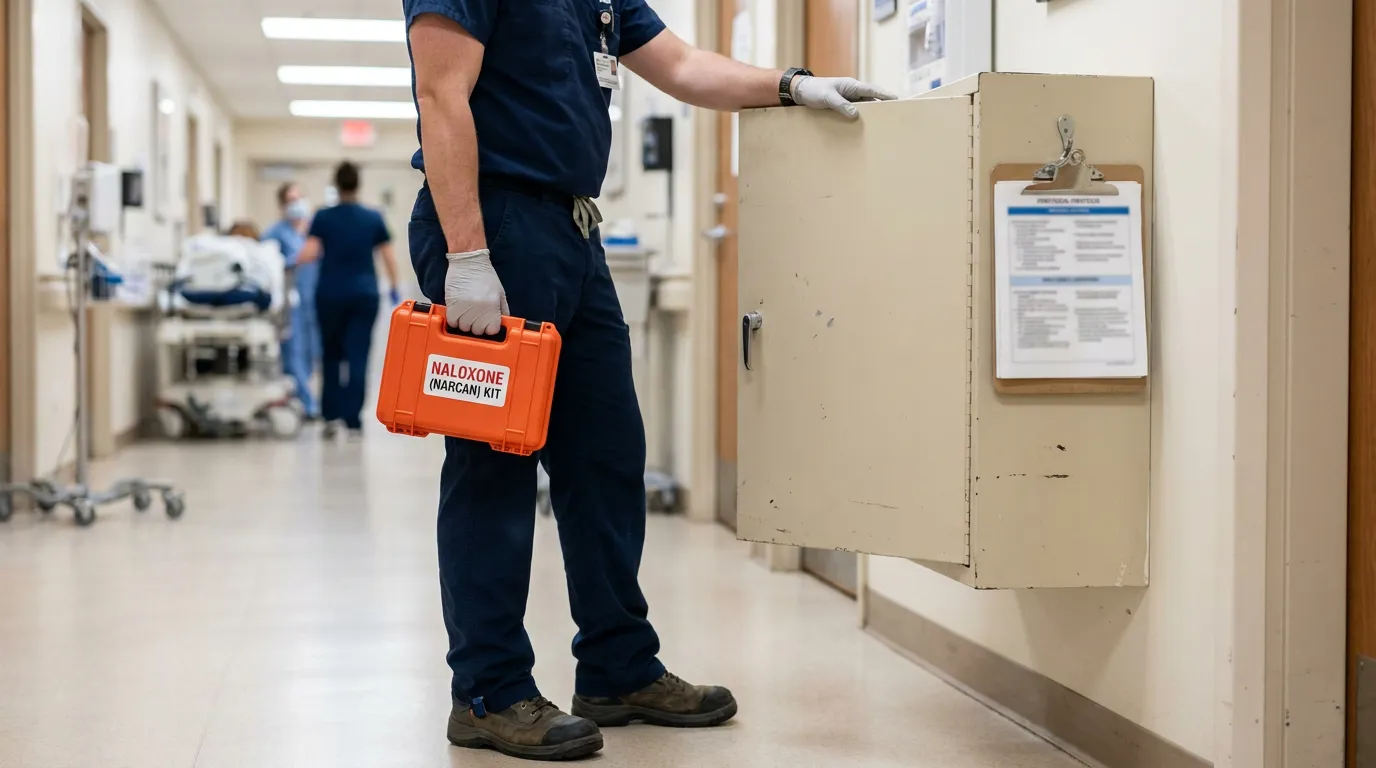
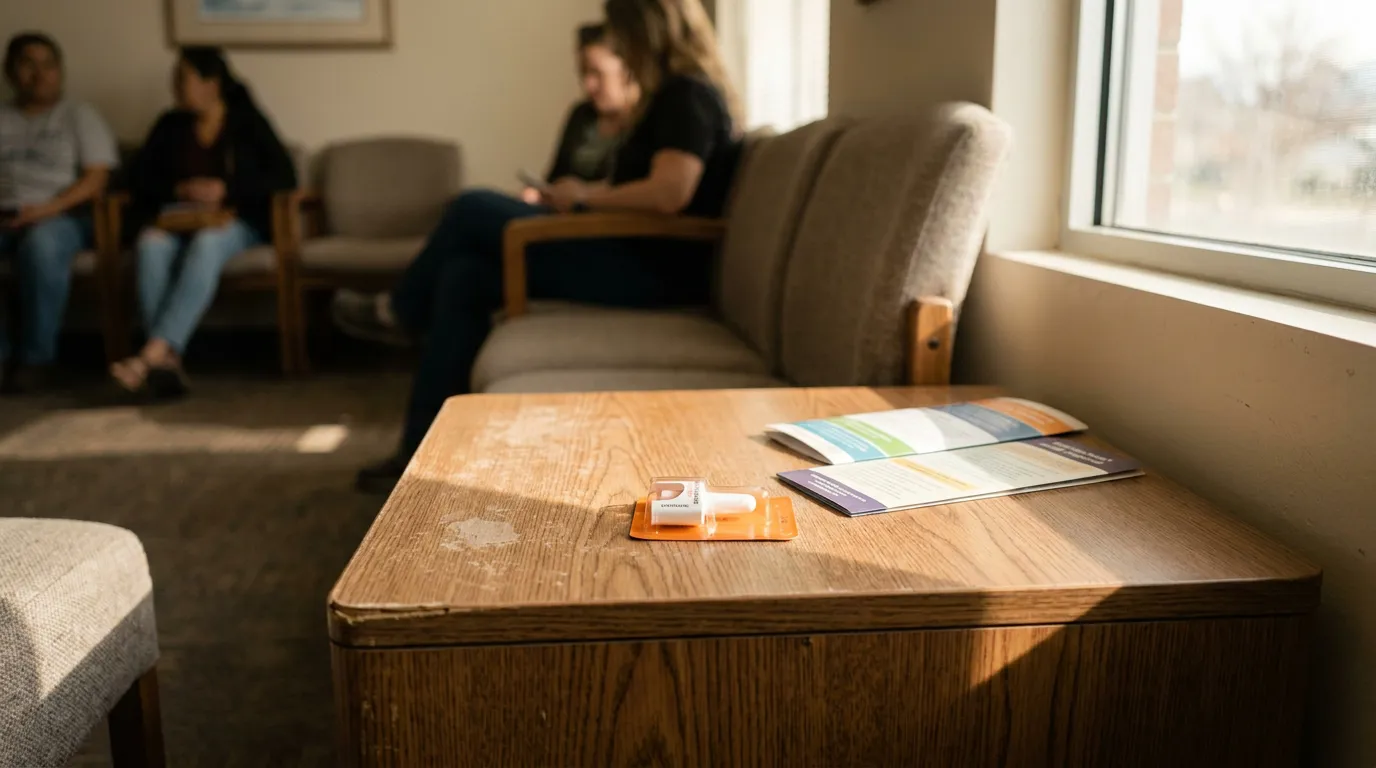
Naloxone possession is lawful in Utah, and the Good Samaritan provision complements that framework. Naloxone (often known by the brand name Narcan) can reverse an opioid overdose, and it’s legal to carry in the state.
Other items found at a scene may still be scrutinized. Paraphernalia allegations under Chapter 37a frequently accompany overdose calls, which is why the statute expressly lists those violations among covered offenses.
💡 Pro Tip: If officers ask you to explain the scene, you may decline to answer questions and request counsel. However, the statute conditions the defense on cooperating with responding providers and officers, so how and when you invoke that right is worth discussing with a lawyer immediately.
Building a Defense Around an Overdose Call
A defense strategy generally starts with the record of the call and the scene. Dispatch audio, EMS run reports, body camera footage, and officer narratives can establish who reported what and when, and whether the caller stayed and cooperated. Where possession is alleged against multiple people, the prosecution still carries the burden of proving the elements beyond a reasonable doubt.
Constitutional issues frequently run parallel. Consent, plain view, exigent circumstances, and the scope of any search warrant all deserve scrutiny. A utah drug charge lawyer can evaluate whether both statutory and constitutional arguments are available.
What to Expect After an Overdose-Related Arrest
Charges may be filed even when the statutory defense looks strong on paper. Screening decisions are made by prosecutors who may not have the full picture initially. Providing context through counsel is generally safer than making unrepresented statements.
Outcomes vary based on criminal history, substances involved, and the county handling the case. Diversion programs and drug court may be available subject to eligibility requirements.
Frequently Asked Questions
1. Does Utah’s Good Samaritan law stop police from arresting me?
Not necessarily. The protection is an affirmative defense under § 58-37-8(16), raised in response to filed charges rather than functioning as a bar to arrest.
2. Am I protected if I called for someone else?
Yes. The statute covers a person or bystander who reasonably believes they or another person is experiencing an overdose and reports it in good faith, provided they describe the location, stay until help arrives, and cooperate with responders.
3. What if police were already searching when the call was made?
That situation is expressly excluded. Good faith doesn’t include seeking medical assistance during execution of a search warrant, arrest warrant, or other lawful search.
4. Does the protection apply to distribution charges?
No. Listed offenses are limited to possession or use of under 16 ounces of marijuana, possession or use of other controlled substances, and paraphernalia or imitation substance violations.
5. Can carrying naloxone be used against me?
Naloxone is legal to possess in Utah. Other items or substances discovered during a lawful encounter may still form the basis of separate allegations.
Where This Leaves You
Utah’s overdose reporting protection reflects a deliberate legislative choice to prioritize saving lives over prosecuting low-level possession. Still, it’s narrow. It applies to specific offenses arising from the same course of events, requires a good-faith report plus staying at the scene and cooperating, excludes assistance sought during a lawful search, and operates as a defense the accused must prove. The related sentencing provision offers a secondary path in some cases.
If you or someone you care about is facing charges after an overdose call, Nix Law can review the dispatch record, the search, and the charges filed. Call 385-444-2442 or reach the firm’s Salt Lake City defense team to get answers about your options today.