
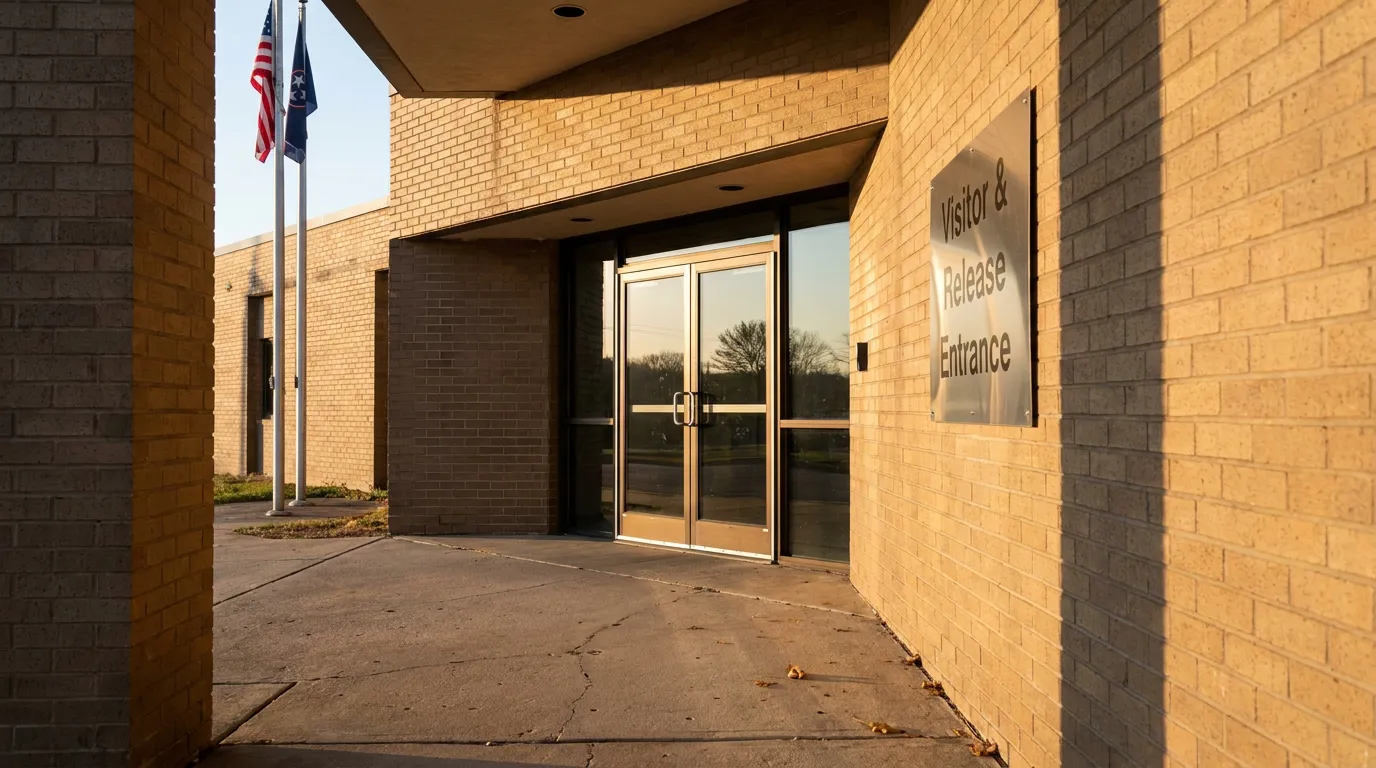
Understanding the Paperwork You Sign Before Walking Out of Jail
Key Takeaways: A jail release agreement under Utah Code § 78B-7-802 is a written document a person arrested or cited for a qualifying domestic violence offense may sign as an alternative to waiting for the matter to be submitted to a magistrate, imposing interim conditions until the initial court appearance. Its most common term is a broad prohibition on contact with the alleged victim, including indirect contact through friends or family, along with possible stay-away, firearm, and appearance requirements. The agreement is not a conviction or admission of guilt, and is distinct from bail or pretrial release conditions, though both can apply at once. Knowingly violating the agreement is a separate criminal offense, generally a class A misdemeanor if the original arrest was for a misdemeanor and a third degree felony if it was for a felony, even if the underlying case is later dismissed. An adult alleged victim may waive conditions in writing through the statutory process, but otherwise only a court can modify or dissolve the terms, and conditions typically remain in effect until an order changes them. Reading the paperwork carefully, complying strictly, and seeking modification through proper channels are the practical priorities during DV pretrial release in Utah.
A jail release agreement is a written agreement a person arrested or cited for a qualifying domestic violence offense in Utah may sign to be released without first having the matter submitted to a magistrate. Under Utah Code § 78B-7-802, this agreement imposes conditions, most notably a prohibition on contacting the alleged victim, generally in force until the initial court appearance. It is not a conviction or admission of guilt, but a temporary control mechanism, and knowingly violating it creates a separate criminal charge.
If you or a loved one was arrested and handed release paperwork in Salt Lake County, Nix Law can review the conditions and explain what they require. Call 385-444-2442 or contact us now before a misunderstanding turns into a new charge.
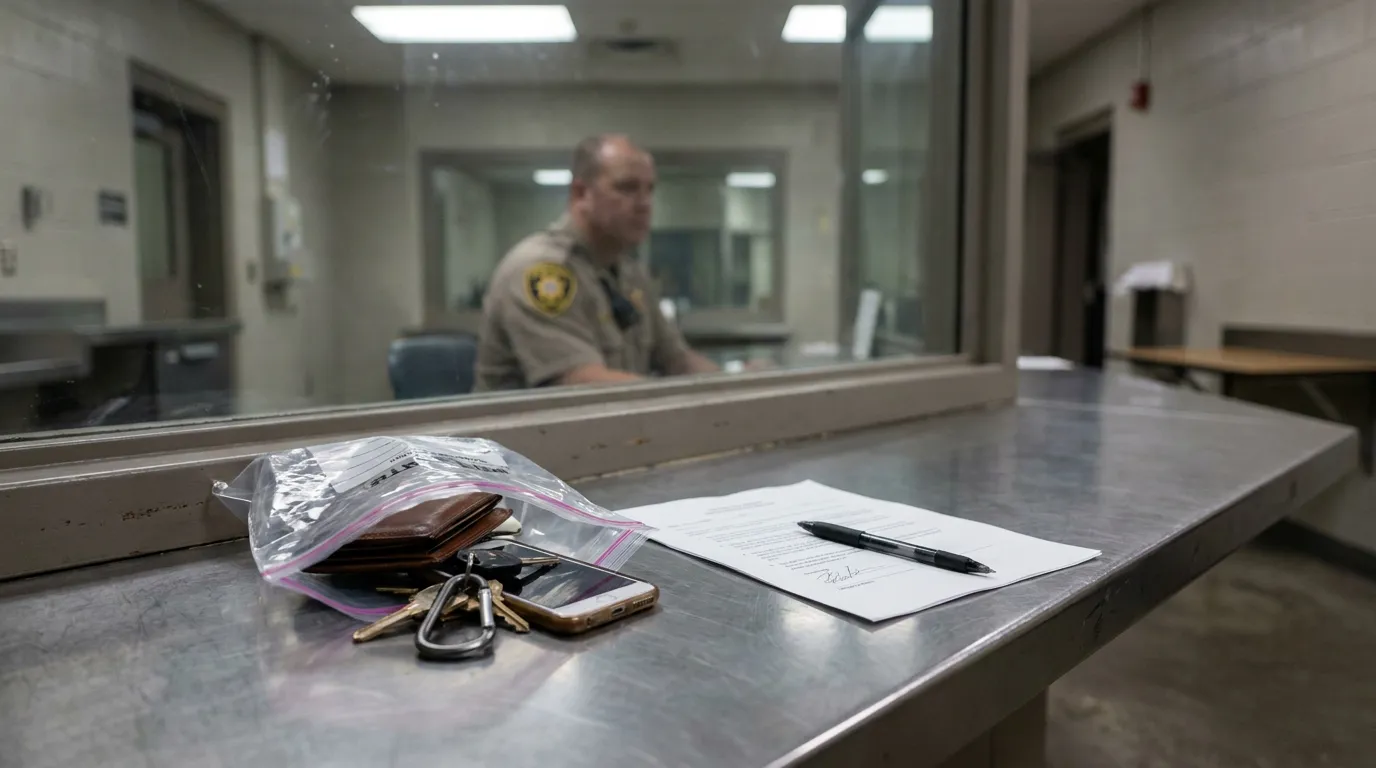
Where the Jail Release Agreement Utah Statute Fits in the Code
Utah Code § 78B-7-802 sits inside Title 78B, Chapter 7, Part 8, governing criminal protective orders in qualifying cases. That placement matters: the Legislature grouped release agreements with protective order provisions, signaling the document functions as a short-term protective mechanism rather than a traditional bail term. Reading the jail release agreement statute alongside surrounding sections clarifies how the pieces interact.
The neighboring sections matter. Utah Code § 78B-7-803 governs pretrial protective orders a court may consider at the defendant’s court appearance, while Utah Code § 78B-7-806 sets penalties for violating a jail release agreement, a jail release court order, or a protective order under the part. A person released on an agreement often later becomes subject to a pretrial protective order after charges are filed, and the two documents can contain different terms.
Why This Is Not the Same as Bail
A jail release agreement and a bail or pretrial release determination are distinct legal concepts, even though they often happen within hours of each other. Pretrial release decisions are governed by statutes including Utah Code § 77-20-205, addressing conditions a court may impose pending trial. The 78B-7-802 agreement, by contrast, is a domestic violence specific instrument tied to protecting an alleged victim during the earliest stage of a case.
Both can apply at once. A person may face financial or supervisory release conditions from the court and a no contact condition from the release agreement simultaneously. One document may be modified while the other remains untouched, which is why reading each carefully matters.
What Conditions Typically Appear in the Agreement
The core condition in most Utah jail release agreements is a prohibition on contact with the alleged victim. Contact is generally construed broadly and can include phone calls, texts, social media, and messages passed through friends or family. Additional terms may address returning to a shared residence, firearm possession, or appearing at the next court date.
Common conditions may include:
- No direct or indirect contact with the alleged victim
- Staying away from a residence, workplace, or school
- Appearing at all scheduled court proceedings
- Refraining from threatening, harassing, or intimidating conduct
- Complying with any supervision or check-in requirements imposed at release
💡 Pro Tip: Third-party contact counts. Asking a sibling to "just tell her I’m sorry" can be treated as indirect contact and may expose you to a new charge even though you never spoke to the person yourself.
How the Agreement Is Administered in Salt Lake County
In Salt Lake County, the administrative context surrounding release usually involves Criminal Justice Services. That division oversees pretrial supervision for individuals booked into jail, coordinating conditions attached to release pending trial. Understanding the Salt Lake County pretrial services role helps explain why a released person may face both statutory no contact terms and supervision requirements like reporting or monitoring.
These are separate tracks that can feel like one. Supervision requirements are administrative and flow from the release program, while the no contact condition flows from the statute and signed agreement itself. Confusing the two can lead people to assume a supervising officer has authority to waive a statutory term, which is not the case.
What Happens If Someone Violates the Terms
Knowingly violating a jail release agreement is a separate criminal offense under Utah Code § 78B-7-806, independent of the original allegation. Even if the underlying domestic violence charge is later dismissed or reduced, a violation that occurred while the agreement was in effect may be prosecuted on its own terms. An officer with probable cause to believe a violation occurred is required to make a warrantless arrest.
Violations frequently arise from ordinary, well-meaning behavior. Returning home to retrieve clothing, responding to a text the alleged victim sent first, or attending a shared family event can each create exposure. The alleged victim’s informal consent does not undo the condition; the statute provides a specific written waiver procedure for an adult alleged victim, and anything short of that generally leaves the condition fully enforceable.
| Situation | Common Misunderstanding | Practical Reality |
|---|---|---|
| Alleged victim initiates contact | "They texted me first, so it’s fine" | The condition binds the defendant regardless of who reaches out |
| Retrieving belongings from home | "It’s my house too" | A stay-away term may still apply pending court modification |
| Charge dismissed later | "The violation goes away too" | A violation may be charged separately |
| Message sent through a friend | "I didn’t contact them directly" | Indirect contact is generally covered |
Practical Steps After Signing a Release Agreement
Read the document before you leave the building, and keep your copy. The releasing agency must give you a copy before release, yet people sign paperwork while exhausted and frightened. Reviewing the exact language later, ideally with counsel, is generally the most reliable way to know what is prohibited in your specific case.
Then make logistical arrangements that do not depend on contact. If you need belongings from a shared residence, ask your attorney about lawful mechanisms rather than improvising. If you share children, the agreement or a later court order may address custody exchanges, and courts may consider structured arrangements when the request is properly presented.
Modification Is a Court Function
Apart from the statutory written waiver an adult alleged victim may execute, only a court can modify or dissolve the conditions in a release agreement. A supervising officer has no authority to release you from a statutory term, and an informal conversation with the alleged victim is not a waiver. A modification request typically must be presented to the court handling the case, and outcomes depend heavily on the specific facts, the charge involved, and the court’s safety assessment.
Expect the process to take time. Judges often address these requests at scheduled hearings, and existing conditions remain in effect until an order changes them. Assuming a modification will be granted, and acting on that assumption early, is a common and costly mistake.
Building a Defense While the Conditions Are in Place
Complying strictly with release conditions may strengthen your position in the underlying case. Prosecutors and judges may note compliance, and a clean pretrial record can remove an easy argument for the state. Meanwhile, defense work proceeds on the merits: examining the arrest, statements taken, physical evidence, and whether the state can meet its burden.
Anyone facing these charges should understand the full sequence of events, and reviewing what happens after a domestic violence arrest in Utah can help set realistic expectations. The presumption of innocence applies throughout, and the existence of a release agreement says nothing about guilt, it reflects a legislative decision to impose interim conditions, subject to later judicial review.
💡 Pro Tip: Preserve messages, call logs, and photos from the day of the incident before phones are reset or accounts are deleted. Documentation that seems unimportant now can matter later.
Frequently Asked Questions
1. Do I have to sign a jail release agreement to get out of jail?
Signing is not technically mandatory, but under Utah Code § 78B-7-802 a person arrested or cited for a qualifying offense cannot be released until either the matter is submitted to a magistrate or the person signs a jail release agreement. Declining to sign generally means remaining in custody until a magistrate addresses the matter. A Salt Lake City DV attorney can explain the tradeoffs in your specific circumstances.
2. How long does a jail release agreement last?
These agreements are temporary and generally remain in effect until the individual makes an initial court appearance, with separate expiration rules for minors and a limited good-cause extension if charges have not yet been filed. At that appearance, the court may issue a pretrial protective order that supersedes or supplements the agreement. Duration can vary depending on scheduling, charging decisions, and the posture of the case.
3. Can the alleged victim cancel the no contact condition?
Only through the statutory process. An adult alleged victim may waive conditions of a jail release agreement in writing by appearing in person at the arresting agency or the releasing jail, as the statute provides; informal forgiveness, a text message, or an invitation to come home does not lift the condition. Otherwise, a formal modification request to the court is required.
4. Is a violation of the agreement a misdemeanor?
Knowingly violating a jail release agreement is a class A misdemeanor if the original arrest was for a misdemeanor and a third degree felony if the original arrest was for a felony, under Utah Code § 78B-7-806. Separately, contact before release in violation of Subsection 78B-7-802(1) is a class B misdemeanor. Because charging decisions are fact-dependent, anyone accused of a violation should consult counsel promptly rather than assume the exposure is minor.
5. Does a release agreement appear on a background check?
The agreement itself is case paperwork rather than a conviction, but the underlying arrest and any resulting charges may appear in records searches, and domestic violence release information is transmitted to the statewide domestic violence network. Collateral consequences depend on the ultimate disposition of the case, and outcomes vary.
Where This Leaves You
Utah’s jail release agreement framework under Utah Code § 78B-7-802 exists to impose interim conditions after a domestic violence arrest, not to determine guilt. The conditions are enforceable, knowing violations are prosecuted separately under Utah Code § 78B-7-806, and apart from the statutory written waiver available to an adult alleged victim, only a court can change the terms. Understanding the document, complying with it, and moving promptly on modification requests through proper channels are the practical priorities during DV pretrial release in Utah. Every case turns on its own facts, and nothing here substitutes for advice about your situation.
If you are navigating release conditions after an arrest, an experienced jail release agreement Utah lawyer at Nix Law can review your paperwork and defend the underlying charge. Call 385-444-2442 or request a consultation to get started.
Disclaimer: This content is for informational purposes only and is not legal advice. Every case is unique, and results may vary. Consult an attorney about your specific circumstances.