
How Utah’s Cohabitant Abuse Procedures Act Shapes a 911 Response in Salt Lake City
Key Takeaways: Salt Lake City officers responding to a domestic violence call who develop probable cause that a domestic violence offense occurred between cohabitants must either arrest without a warrant or issue a citation, even if the conduct happened outside their presence, under Utah’s Cohabitant Abuse Procedures Act. A custodial arrest is required instead of a citation when the officer believes violence will continue or there is evidence of recent serious bodily injury or a dangerous weapon. These rules generally apply only when parties meet the statutory definition of cohabitant, which can be fact-dependent for roommates and dating partners. When both people claim victim status, officers must evaluate each complaint separately and weigh predominant aggressor factors, prior complaints, relative injury severity, likelihood of future injury, and self-defense, rather than arresting everyone. Violating a protective order or jail release order is a separate criminal offense that can create a new case even when the protected party initiated contact. After booking, release conditions, no-contact orders, and prosecution despite a recanting witness are common, making early defense counsel important.
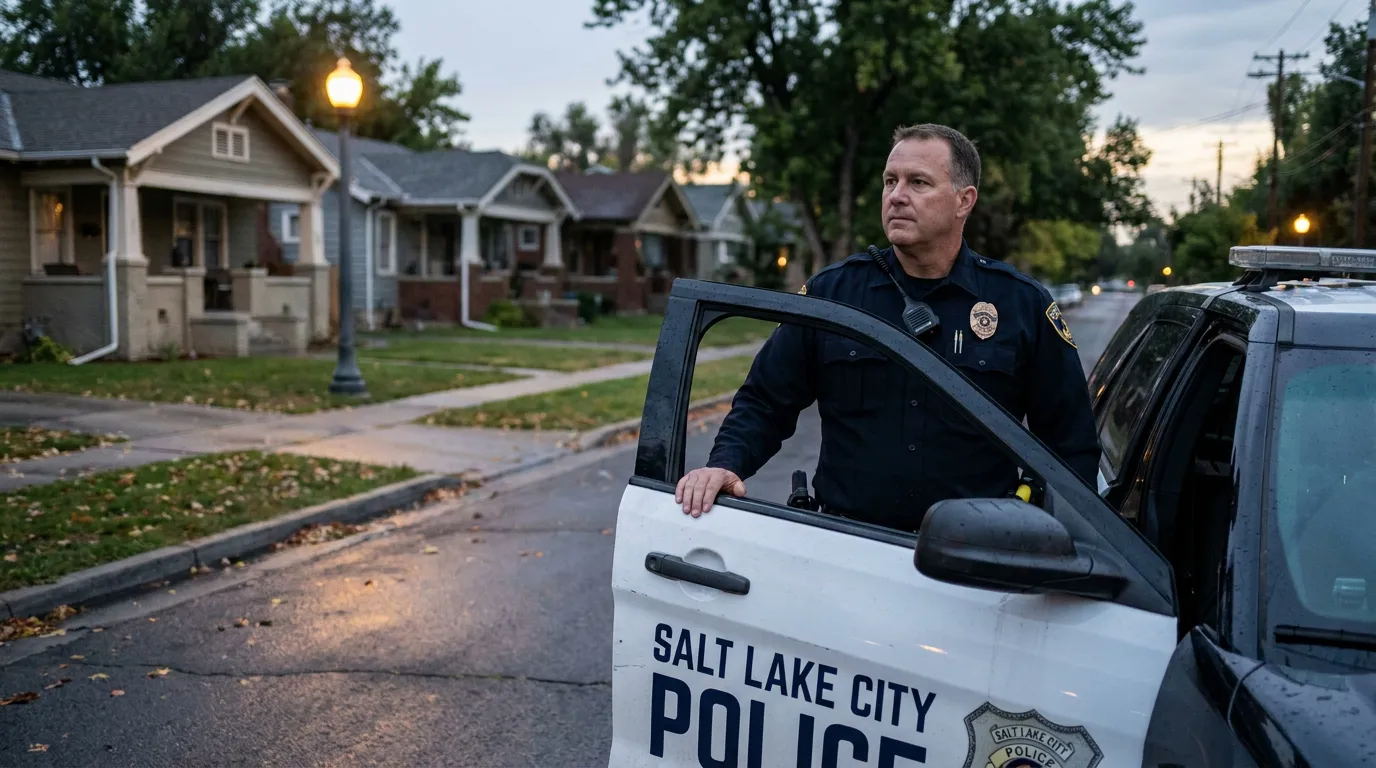
When Salt Lake City officers respond to a domestic disturbance, they aren’t simply exercising personal judgment about arrest. Utah’s Cohabitant Abuse Procedures Act, codified at Utah Code Title 77, Chapter 36, directs officers who develop probable cause that a domestic violence offense occurred between cohabitants to arrest without a warrant or issue a citation, even when the conduct happened outside the officer’s presence. This helps explain why people who called 911 hoping to "calm things down" may end up watching a family member, or themselves, get handcuffed.
If you or someone you love was arrested after a domestic dispute, the hours after booking matter. The defense team at Nix Law helps people accused of domestic violence in Salt Lake County protect their rights from the first court appearance forward. Call 385-444-2442 or request a confidential consultation to discuss what happened on scene.
The Default Rule: Mandatory Arrest Domestic Violence Utah Officers Must Follow
Utah law generally limits officer discretion once probable cause exists. Under Utah Code Ann. § 77-36-2.2, an officer responding to a domestic violence call with probable cause that abuse occurred shall arrest without a warrant or issue a citation. The statute may reach conduct not witnessed by law enforcement, a departure from the ordinary misdemeanor rule requiring an in-presence offense.
Severity and risk of continued violence determine whether citation is even an option. Section 77-36-2.2 removes the citation alternative and requires custody where there is probable cause that violence will continue, or evidence of recent serious bodily injury or a dangerous weapon. Utah’s statute has no fixed 24-hour lookback window, but the closer in time the report is to the alleged act, the more evidence officers tend to have, making custodial arrest more likely. Officers must still confirm probable cause actually exists, often the pressure point a defense lawyer examines later.
Not every domestic call ends in arrest. Probable cause generally must rest on articulable facts rather than a raised voice or a neighbor’s assumption. An officer who does not make an arrest must notify the alleged victim of the right to initiate a criminal proceeding and of the importance of preserving evidence, in accordance with Utah Code Ann. § 77-36-2.2 and § 77-36-2.1.
Who Counts as a "Cohabitant" Under the Statute
The relationship between the parties can determine whether the arrest rules apply at all. The definitions in the Cohabitant Abuse Procedures Act adopt the cohabitant definition used in Utah’s civil protective order statute and list the enumerated offenses triggering an officer’s arrest duties statewide, including in Salt Lake City.
Relationships commonly within the cohabitant definition include:
- Current or former spouses
- People who live together or formerly lived together
- Relatives by blood or marriage
- Parents of a child in common
- People in a relationship akin to that of a spouse
Roommates and dating partners are frequently misunderstood here. Sharing a residence can satisfy the definition even without romance, while dating partners who never lived together generally qualify as cohabitants if they are or were in a consensual sexual relationship with the other party, per Utah Code Ann. § 78B-7-102(5)(a)(vii), which is incorporated by reference into § 77-36-1. Whether a particular arrangement satisfies the definition can be genuinely fact-dependent. The definition also excludes certain relationships, such as those involving a person under 16, absent specific exceptions. If the relationship doesn’t fit, the enhanced procedures and collateral consequences may not attach the same way.
💡 Pro Tip: The relationship element is generally a charging element, not just a label. Ask your attorney early whether the alleged cohabitant status is actually supported by the evidence.
Primary Aggressor Analysis and Dual Arrests
When both people claim victim status, Utah law directs officers to evaluate each complaint separately and identify the predominant aggressor rather than arresting everyone. Utah Code Ann. § 77-36-2.2(3) sets out factors officers must weigh in mutual-allegation situations; if one person is identified as predominant aggressor, the officer need not arrest the other. The statute also bars officers from threatening to arrest all parties to discourage requests for police intervention. Utah continues refining this analysis legislatively, and anyone facing charges should understand how HB 539 changed aggressor rules for on-scene decisions.
Factors an Officer May Weigh on Scene
Statutory guidance points officers toward evidence, not volume: prior complaints of domestic violence, relative severity of injuries, likelihood of future injury, and whether one party acted in self-defense. Officers arriving mid-argument have limited information, so their assessment is necessarily preliminary.
Why the First Statement Often Drives the Outcome
The person who reaches 911 first frequently shapes the initial narrative. Officers often arrive with a dispatch summary already framing one person as the aggressor. That framing isn’t a legal finding, and it may be challenged with photographs, medical records, inconsistent statements, and body-worn camera footage.
Defensive Injuries and Physical Evidence
Scratches on the accused can tell a different story than the report suggests. Documenting your own injuries promptly, including timestamped photographs, may support a self-defense theory or undermine the predominant aggressor determination, though no single piece of documentation guarantees any outcome.
Protective Orders, Violations, and a Second Arrest Trigger
A separate arrest pathway may open once a protective order is in place. Under Utah’s civil framework, protective orders for cohabitant abuse may be granted when a court finds domestic violence occurred or a substantial likelihood of future domestic violence. Violating such an order is a criminal offense under Utah Code Ann. § 76-5-108 and can support arrest independent of any new act of violence.
This is where many defendants stumble after release. A no-contact provision may prohibit calls, texts, third-party messages, and returning home for belongings, and a violation can generate a fresh case even when the protected party initiated contact; that party generally cannot waive the order’s terms. The civil protective order process generally runs on a separate track from criminal prosecution, and an outcome in one doesn’t automatically control the other.
| Situation | Typical Officer Response | Governing Authority |
|---|---|---|
| Probable cause of recent cohabitant abuse | Warrantless arrest or citation required | Utah Code Ann. § 77-36-2.2(2)(a) |
| Risk of continued violence, recent serious bodily injury, or dangerous weapon | Custodial arrest required; citation not an option | Utah Code Ann. § 77-36-2.2(2)(b) |
| Mutual allegations of abuse | Separate evaluation and predominant aggressor analysis | Utah Code Ann. § 77-36-2.2(3) |
| Reported protective order violation | Arrest commonly follows | Utah Code Ann. § 76-5-108 |
| Relationship outside cohabitant definition | Standard arrest rules may apply | Utah Code Ann. § 77-36-1 |
What Typically Happens After an On-Scene DV Arrest
Booking is only the beginning. Utah law bars personal contact with the alleged victim before release and prohibits release until the matter goes to a magistrate or the arrested person signs a jail release agreement. It also requires a mandatory personal court appearance under Utah Code Ann. § 77-36-2.6, where the court may impose a pretrial protective order. Employment, firearm rights, immigration status, and custody arrangements can all be affected while the case is pending.
Prosecutors in Salt Lake County frequently proceed even when the complaining witness recants. The State generally controls charging decisions, and a request to drop the case doesn’t necessarily end it. Recorded 911 audio and officer testimony may be offered regardless of whether the alleged victim wishes to participate.
💡 Pro Tip: Assume every call from jail is recorded. Those statements are frequently used by prosecutors and can complicate an otherwise defensible case.
Building a Defense Around the Arrest Decision
The circumstances of the arrest itself often generate significant defense issues. An experienced dv defense attorney utah team can scrutinize whether probable cause genuinely existed, whether the cohabitant relationship was established, whether predominant aggressor factors were applied, and whether statements complied with constitutional protections.
Common defense themes include:
- Self-defense or defense of another under Utah law
- Absence of the required cohabitant relationship
- Inconsistent or evolving accounts from the reporting party
- Physical evidence contradicting the alleged sequence of events
- Suppression issues involving unwarned custodial questioning
No two domestic violence cases resolve the same way. Outcomes depend heavily on specific evidence, charging decisions, and procedural posture, and nothing here predicts any individual case’s outcome.
Frequently Asked Questions
1. Can officers arrest me if nobody was injured?
In some cases, yes. Visible injury is generally not required. Probable cause of a qualifying offense, including threats or unlawful physical contact, may support arrest under Utah Code Ann. § 77-36-2.2. Absence of injury may still affect whether a citation is issued instead and the strength of the State’s case.
2. What if my partner does not want to press charges?
That decision generally belongs to the prosecutor, not the alleged victim. Once officers make an arrest, the State evaluates whether to file charges based on available evidence. Cases sometimes proceed on 911 recordings, photographs, and officer observations alone.
3. Does calling 911 myself protect me from arrest?
Not necessarily. Officers assess probable cause and, where allegations conflict, must apply the predominant aggressor factors. In some cases the caller ends up being the person arrested, particularly where physical evidence points in an unexpected direction.
4. Can both parties be arrested on the same call?
Dual arrests are possible but generally disfavored. Utah Code Ann. § 77-36-2.2 directs officers to evaluate each complaint separately and identify a predominant aggressor rather than arresting both automatically, and requires a written report explaining the grounds when both are arrested.
5. How soon should I contact a Salt Lake City criminal lawyer?
As early as possible, ideally before any interview with law enforcement. Early involvement may allow counsel to preserve evidence, address no-contact conditions, and advise you before statements are made that are difficult to explain later.
Protecting Your Rights After a Domestic Call
Utah’s mandatory arrest domestic violence framework is generally designed to remove hesitation from officers on scene, which means arrests frequently happen before anyone has sorted out what actually occurred. Utah Code Ann. §§ 77-36-1, 77-36-2.2, and 77-36-2.6 define the cohabitant relationship and domestic violence offenses, establish when warrantless arrest or citation is required, and require a mandatory court appearance where release conditions are addressed. An arrest generally reflects a preliminary probable cause judgment, not proof of guilt, and the presumption of innocence applies when the case reaches court.
If you are facing charges after a domestic dispute in Salt Lake City, do not wait for the first hearing to start building your defense. Reach out to Nix Law by calling 385-444-2442 or contact us now to discuss your situation with a defense team that focuses on protecting the accused.
Disclaimer: This content is for informational purposes only and is not legal advice. Every case is unique, and results may vary. Consult an attorney about your specific circumstances.