
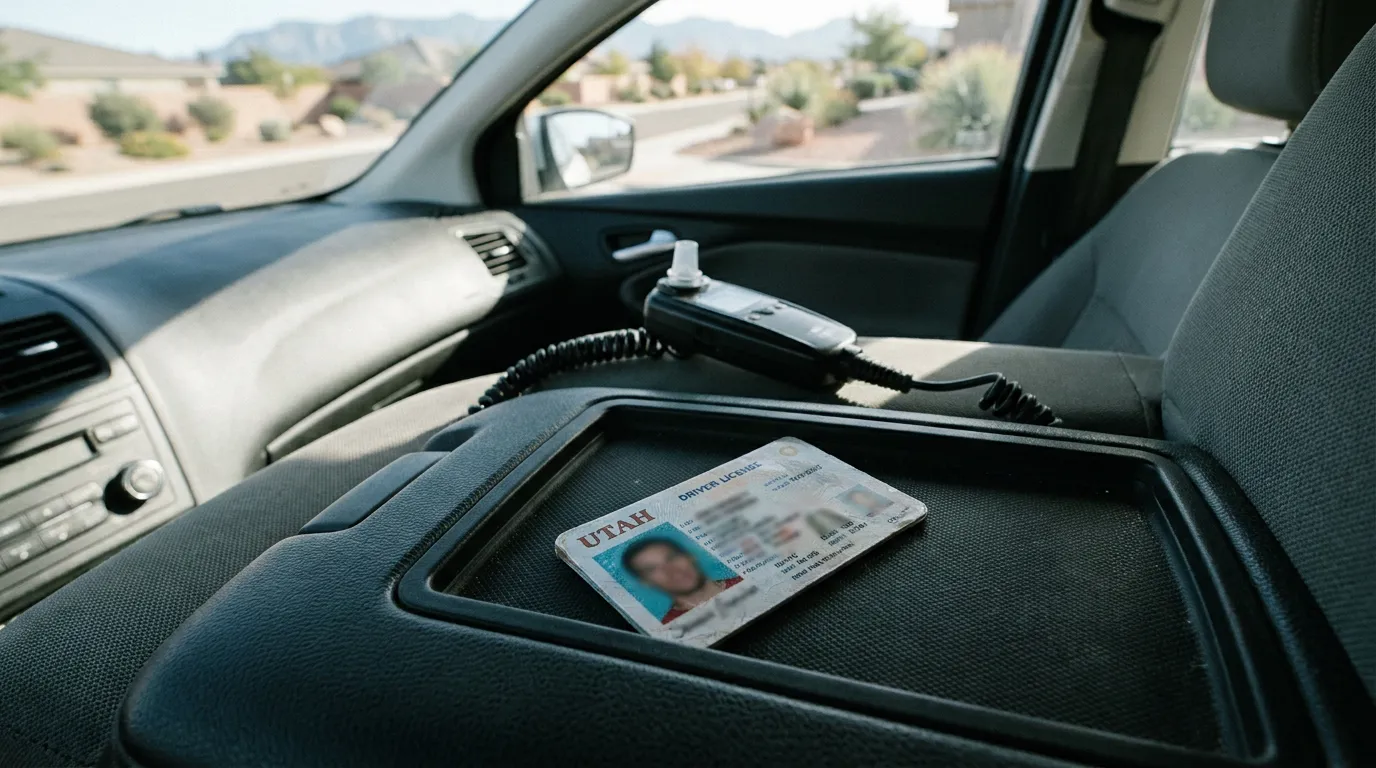
Understanding Utah’s Two-Year Alcohol Restriction After a First DUI Conviction
Key Takeaways: In Utah, a first DUI conviction makes you an alcohol restricted driver for two years, during which operating a vehicle with any measurable alcohol is a class B misdemeanor. This status attaches automatically under Utah Code §41-6a-529 and applies to administrative suspensions and pleas held in abeyance, even if charges are later dismissed. The restriction runs separately from the 120-day license suspension and 18-month interlock requirement, creating overlapping but distinct timelines. Longer periods apply to more serious conduct: three years for violating a restriction, five years for test refusal or second DUI, and ten years for felony DUI. High-BAC allegations of.16 or higher can add court-ordered treatment, interlock, or home confinement. Because classification flows from the charge of conviction, negotiating the charge early is the most effective way to influence restriction duration.
If you were recently convicted of a first-offense DUI in Utah, you are classified as an alcohol restricted driver for two years, during which you may not operate a vehicle with any measurable alcohol in your system. That restriction is separate from your license suspension and ignition interlock requirement, which is why many people in Salt Lake City misunderstand how long consequences actually last. Understanding the timeline matters because a violation is a new criminal charge, not just a license problem.
If you are facing a first DUI charge and want to understand how the restriction period may affect your job, family, and driving privileges, the defense team at Nix Law is available to review your situation. Call 385-444-2442 to discuss your options, or contact us now to request a confidential case evaluation.
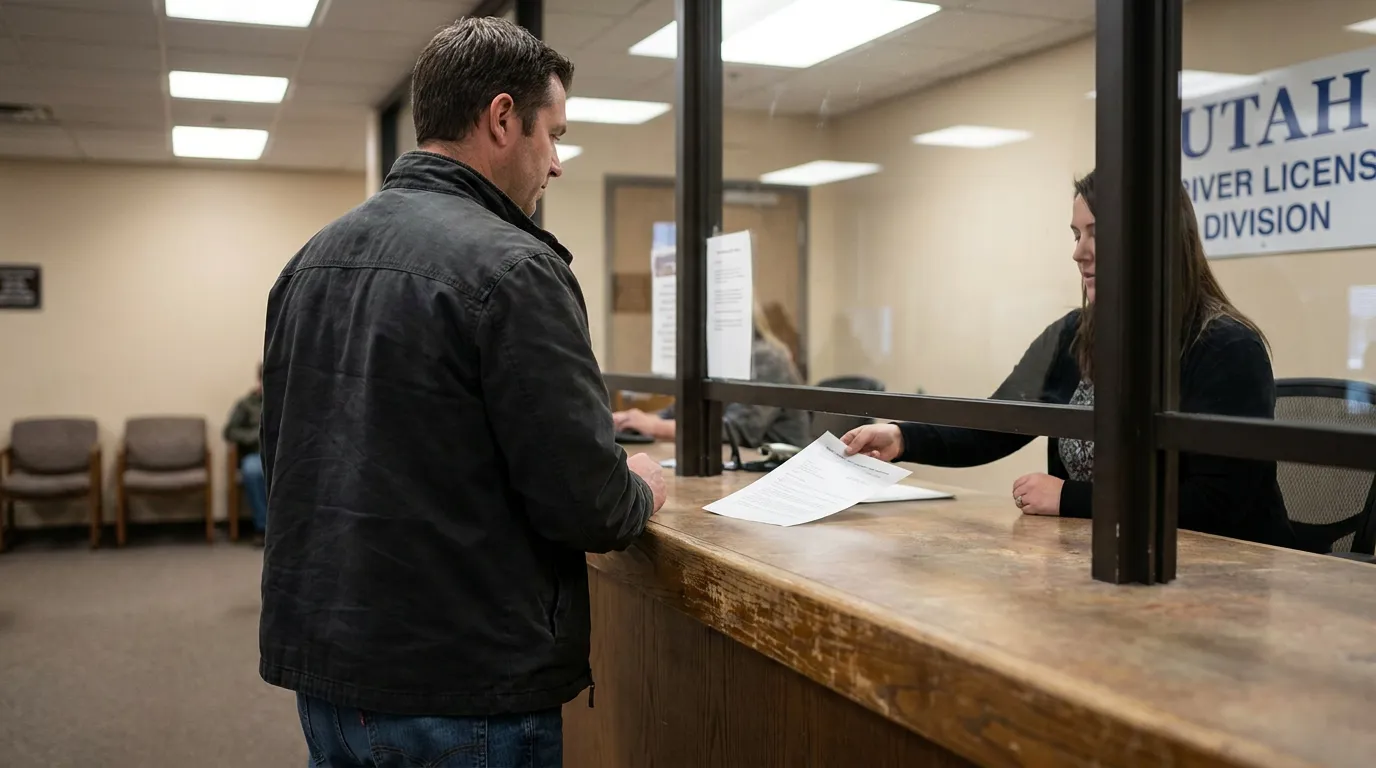
What It Means to Be an Alcohol Restricted Driver in Utah
Utah’s alcohol restricted driver (ARD) status is a statutory classification, not a discretionary penalty. Under Utah Code §41-6a-529(1)(a)(i), a person qualifies as an alcohol restricted driver if, within two years, they have been convicted of misdemeanor DUI under Section 41-6a-502, alcohol-related reckless driving under Section 41-6a-512, or impaired driving under Section 41-6a-502.5. The classification attaches by operation of law once a qualifying conviction is entered.
The status also reaches drivers whose privileges were suspended administratively. Utah Code §41-6a-529(1)(a)(ii) provides that a person is an alcohol restricted driver if their driving privilege was suspended under Section 53-3-223 for an alcohol-related offense. This ties the restriction to DUI arrest suspensions, meaning the Driver License Division side of your case carries consequences even where the criminal case resolves differently.
The current structure traces to 2005 legislation. Because the statute has been amended over the years, the version applicable to your case depends on the offense date, and reviewing the current text of the alcohol restricted driver statute is advisable.
The Core Prohibition: Any Detectable Alcohol
While the restriction is in effect, the legal limit is effectively zero. Utah Code §41-6a-530(1) provides that an alcohol restricted driver who operates or is in actual physical control of a vehicle with any measurable or detectable amount of alcohol is guilty of a class B misdemeanor. This is dramatically stricter than Utah’s general 0.05% BAC standard.
Proof is not limited to a breath or blood machine. Under Utah Code §41-6a-530(2), a measurable amount may be established by chemical test, other evidence, or combination. Officer observations, admissions, and odor testimony may be offered alongside or instead of test results, which is why these cases remain fact-dependent and defensible.
Actual Physical Control Is Broader Than Driving
Many ARD violations do not involve someone actually driving. Because the statute reaches actual physical control, a person sitting in a parked vehicle with keys accessible may face exposure. Whether particular facts meet that standard depends on how a court weighs totality of circumstances, including location, key position, and vehicle operability.
How Long the Alcohol Restriction Duration Lasts
For a first DUI, the alcohol restriction generally runs two years from the qualifying conviction. Utah Code §§ 41-6a-529 and 41-6a-530 operate together so that first-offense DUI offenders may not operate a vehicle with any measurable alcohol for two years. Longer periods apply to more serious or repeat conduct.
| Triggering Event | General Alcohol Restriction Duration |
|---|---|
| First DUI conviction | 2 years |
| Violating an alcohol restriction or interlock test | 3 years |
| Chemical test refusal or second DUI | 5 years |
| Felony DUI or second test refusal | 10 years |
These durations are general benchmarks, not guarantees. The applicable period depends on your record, conviction charge, and Driver License Division classification. A careful review of both your court disposition and DLD record is the only reliable way to determine your status.
A Plea in Abeyance Does Not Erase the Restriction
Resolving a case through plea in abeyance does not sidestep alcohol restricted driver status for pleas entered prior to July 1, 2008. Utah Code §41-6a-529(2) provides that a plea of guilty or no contest held in abeyance under Title 77, Chapter 2a prior to July 1, 2008 is treated as equivalent to a conviction for the alcohol restricted driver definition, meaning the driving restriction applied even if the criminal case was ultimately dismissed. However, this provision is limited to pleas entered before July 1, 2008, and Utah Code §77-2a-3(8) now prohibits pleas in abeyance entirely in DUI cases, making this scenario inapplicable to current DUI proceedings.
💡 Pro Tip: Before accepting any negotiated resolution, ask specifically how the disposition will be coded by the Driver License Division. Two pleas that look similar in court can produce very different restriction periods.
How the ARD Period Differs From Suspension and Interlock
Three separate timelines typically run after a first DUI, and they do not begin or end together. A first DUI in Utah is generally a class B misdemeanor punishable by up to six months in jail, with a mandatory minimum of 48 hours that a court may satisfy through compensatory service or home confinement, and a minimum fine of $700 plus surcharge.
- License suspension: commonly 120 days for a first offense, imposed through both court and Driver License Division.
- Ignition interlock requirement: generally 18 months as an interlock restricted driver for first DUI under Utah Code §§ 41-6a-518 and 41-6a-518.2.
- Alcohol restricted driver status: generally two years, prohibiting any measurable alcohol while operating or in actual physical control of a vehicle.
The administrative process is separate from your criminal case. Because the Driver License Division proceeding has short deadlines, preserving your rights requires prompt action, and understanding how to request a DLD hearing after arrest is often the first meaningful step. A favorable result in one forum does not automatically control the other.
High-BAC Allegations and Overlapping Requirements
A high BAC allegation can add court-ordered conditions on top of the standard restriction. Utah Code § 41-6a-505 addresses enhanced consequences where blood alcohol content was.16 or higher. National tracking of increased penalties for high BAC describes Utah as directing courts to order treatment along with one or more of the following: ignition interlock as a probation condition, an ankle-attached continuous transdermal alcohol monitoring device or remote alcohol monitor, or home confinement through electronic monitoring — unless the court describes on the record why such orders are not appropriate.
These enhanced conditions reflect crash data showing that in 2014, 69 percent of alcohol-impaired-driving fatalities occurred in crashes where at least one driver had a BAC of.15 g/dL or higher, according to NHTSA’s national tracking data. This explains why Utah courts treat high-BAC first offenses more seriously, though specific conditions remain subject to judicial discretion.
Challenging the Numbers Behind a High-BAC Case
A reported BAC is evidence, not established fact. Breath instrument calibration and maintenance records, observation period compliance, blood draw procedures, and chain of custody may all be examined, and defects can affect weight or admissibility of results. Whether such challenges succeed depends on discovery in a given case.
Practical Consequences During the Restriction Period
The most common violation occurs when people assume a small amount of alcohol is acceptable. One drink at dinner before driving home can support a new class B misdemeanor charge, because violating the alcohol restricted driver prohibition is a class B misdemeanor under Utah Code §§ 41-6a-530 and 53-3-227. There is no built-in tolerance.
Employment consequences can be significant, particularly for commercial drivers. Utah DUI license consequences may affect insurance, employer driving policies, and CDL eligibility, and these effects often outlast the criminal sentence. A comparison of state-by-state Utah drunk driving laws can offer helpful background, though secondary sources should never substitute for controlling statutory text.
💡 Pro Tip: Keep documentation of every completed requirement, including treatment, interlock service records, and payment receipts. Reinstatement disputes frequently turn on paperwork rather than legal argument.
Working with a Salt Lake City DUI attorney early can shape the restriction you ultimately face. Because classification flows from the conviction charge, negotiating the charge is often more effective than contesting the restriction later. A defense team handling first offense DUI Utah penalties can evaluate whether the stop, testing, or procedural record supports a motion, negotiated reduction, or trial.
Frequently Asked Questions
1. Does the two-year restriction start on my arrest date or conviction date?
Under Utah Code §41-6a-529(1)(a)(i), the classification looks to whether a qualifying conviction occurred within two years, so the conviction date is typically the reference point. Administrative suspensions under Section 53-3-223 may follow a different timeline, which is why both records should be reviewed together.
2. Can I drive at all while I am an alcohol restricted driver?
Yes, provided your license is otherwise valid and reinstated, any suspension has run, and any interlock requirement is satisfied. The restriction prohibits operating or being in actual physical control of a vehicle with any measurable alcohol, not driving generally.
3. Is the ignition interlock period the same as the alcohol restriction period?
No. The interlock requirement generally runs 18 months for a first DUI, while the alcohol restricted period generally runs two years, so the two overlap but do not match.
4. What happens if I am charged with violating the restriction?
A violation is charged as a separate class B misdemeanor, and conviction can extend the alcohol restriction to three years. The State still bears the burden of proving violation beyond reasonable doubt.
5. Does a plea in abeyance keep me off the alcohol restricted driver list?
For current DUI cases, Utah Code §77-2a-3(8) prohibits pleas in abeyance entirely in DUI proceedings, making this scenario legally unavailable. For pleas entered prior to July 1, 2008, Utah Code §41-6a-529(2) expressly counted a held plea toward the definition, so the restriction could apply even where the criminal charge was later dismissed.
What This Means for Your Case Going Forward
A first DUI conviction in Utah generally carries a two-year alcohol restricted driver period, an 18-month interlock requirement, and a 120-day suspension, each governed by different statutes and each producing separate consequences. Because the restriction attaches automatically upon a qualifying conviction or held plea, the most meaningful opportunity to influence it comes before the case resolves.
If you want a clear explanation of how Utah’s alcohol restriction rules apply to your specific charge, the attorneys at Nix Law in Salt Lake City are ready to help you evaluate your defenses and deadlines. Call 385-444-2442 today, or schedule your consultation to get started.