Impaired Driving vs DUI Utah: What the August 2026 Blitz Means for Drivers
Key Takeaways: Utah’s August 2026 DUI blitz brought heightened checkpoints and saturation patrols across Salt Lake City, increasing arrests during the Labor Day period. Understanding the difference between impaired driving vs dui utah charges can shape how a case is defended and potentially resolved. Utah enforces one of the strictest legal frameworks in the country, including a 0.05% BAC standard and a zero-tolerance drugged driving rule. Defense attorneys frequently challenge the legality of the stop, the accuracy of chemical testing, and procedural compliance at checkpoints. Administrative deadlines, such as the short window to request a Driver License Division hearing, can move quickly after arrest. Every case turns on its own facts, and early legal guidance may help protect driving privileges and employment.
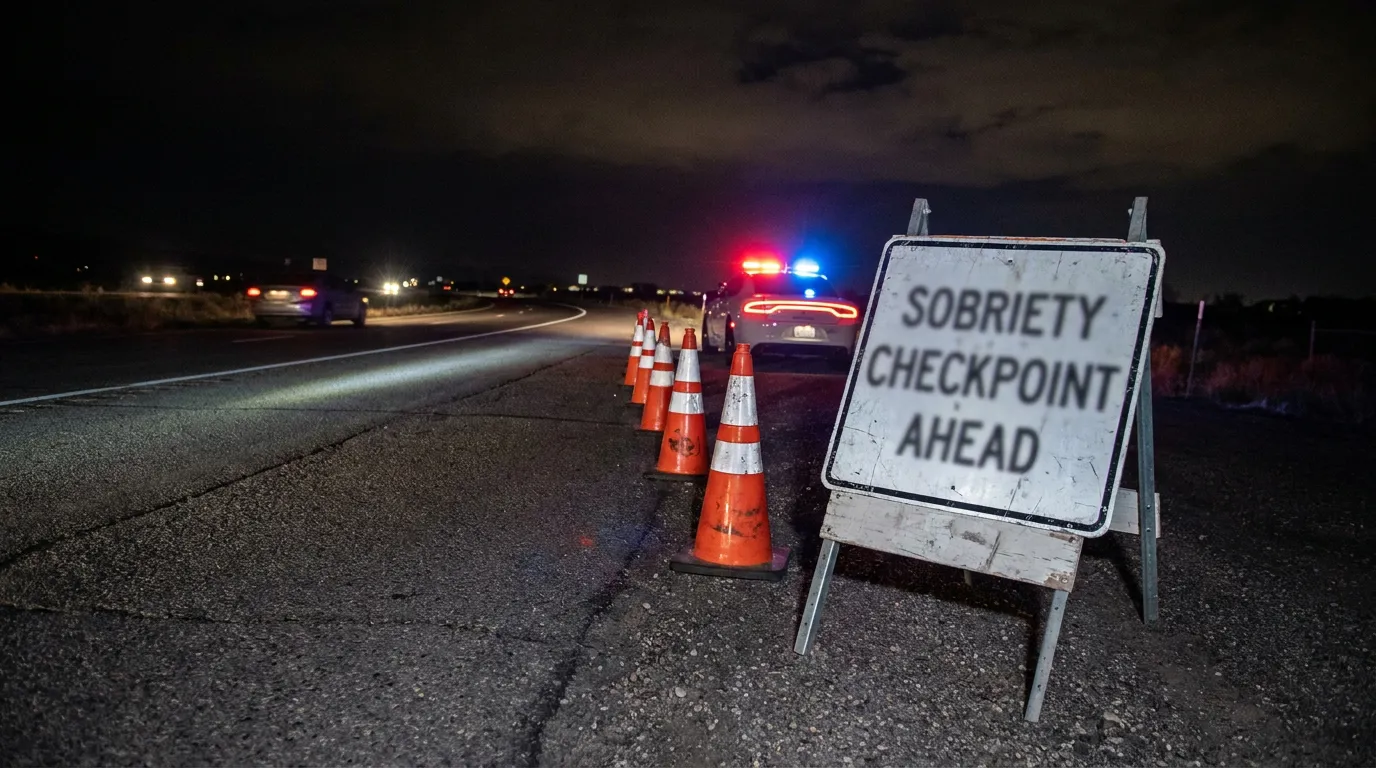
Drivers across Salt Lake City felt the pressure of intensified enforcement during the August 2026 DUI blitz, a coordinated campaign layering sobriety checkpoints and roving patrols onto busy summer roads. For anyone stopped, questioned, or arrested during this period, the experience can feel sudden and disorienting. This matters because Utah’s DUI laws are among the toughest in the nation, and choices made in the hours and days after an arrest can carry lasting consequences for your license, job, and record.
Why Utah’s Holiday Enforcement Campaigns Hit So Hard
Holiday enforcement periods are built on federally endorsed strategies designed to maximize impaired driving arrests. The National Highway Traffic Safety Administration identifies sobriety checkpoints and saturation patrols as evidence-based tools deployed during high-visibility windows such as Labor Day. Often branded "Drive Sober or Get Pulled Over," these campaigns concentrate resources into short, intense bursts of activity.
The legal framework behind these stops is rooted in Utah’s core DUI statute, which governs testing standards, per se limits, and refusal penalties. You can review the state’s Utah DUI statutory provisions to see how tightly the offense, procedures, and penalties are woven together. Because so many rules operate at once, procedural missteps by law enforcement can become meaningful points of contention.
Utah also sets the lowest per se BAC threshold in the country at 0.05%. That lower number means drivers who might not face charges elsewhere can be arrested here on the same facts. During a concentrated blitz, that combination of a low legal limit and heavy patrol presence dramatically raises the odds of arrest for otherwise cautious motorists.
Impaired Driving vs DUI Utah: The Distinction That Can Shape a Case
In Utah, "impaired driving" is a separate, lesser offense within the same statutory part as the primary DUI charge. This distinction is not merely academic. Utah Code § 41-6a-502.5 provides for impaired driving as a class B misdemeanor disposition generally entered as a reduction from a DUI charge, either after the defendant completes court-ordered probation or when the prosecutor agrees and the court finds it in the interest of justice. Drivers are rarely charged with impaired driving from the outset; it typically functions as a negotiated reduction, giving defense counsel a statutory basis to seek relief from a standard DUI charge under certain circumstances.
Understanding the impaired driving vs dui utah difference helps explain why negotiated resolutions matter. A DUI conviction generally carries harsher collateral consequences than an impaired driving disposition, particularly regarding licensing and future enhancement, though an impaired driving conviction still counts as a prior for enhancing later offenses and is not available in every case. Whether a reduction is available depends heavily on the facts, the strength of the evidence, prior record, and prosecutorial discretion, so no outcome should be assumed.
Drugged driving allegations add another layer of complexity. Utah maintains a strict zero-tolerance rule, meaning any measurable amount of a controlled substance or its metabolite can support a charge, subject to a limited affirmative defense where the substance was validly prescribed or lawfully used. According to a summary of Utah’s drugged driving rules, the state does not require proof of actual impairment for this charge, only presence of a prohibited substance or metabolite.
This zero-tolerance approach creates a recurring point of legal contention. Because metabolites can linger long after any impairing effect has ended, defense attorneys frequently question whether a test result reflects impairment at the time of driving.
A Salt Lake City Scenario: One Stop, Many Questions
Consider a hypothetical Salt Lake City commuter heading home on a Friday night during Labor Day weekend. She is waved into a checkpoint, answers a few questions, and performs field sobriety tests on an uneven shoulder. She had one glass of wine hours earlier and believes she’s fine to drive, yet she is arrested and asked to submit to a breath test.
Her worries multiply within minutes. She holds a job that requires driving, has never been arrested, and doesn’t know whether refusing the test will help or hurt her. Utah’s implied consent law generally requires drivers lawfully arrested for DUI to submit to chemical testing, and refusal can trigger automatic license suspension separate from the criminal case.
Her situation illustrates why an impaired driving stop can feel so high-stakes. The administrative and criminal tracks run on parallel timelines, and the short window to request a Driver License Division hearing can pass quickly. Missing that deadline may forfeit an important opportunity to contest a suspension, which is why prompt action is often emphasized.
How Defense Attorneys Challenge Holiday Stops
Challenging traffic stops generally begins with the constitutionality of the stop itself. NHTSA guidance notes that checkpoint effectiveness depends on proper legal procedure, including advance publicity, neutral criteria for which vehicles are stopped, and attention to safety. When those requirements aren’t followed, defense counsel may argue the stop or resulting evidence should be excluded.
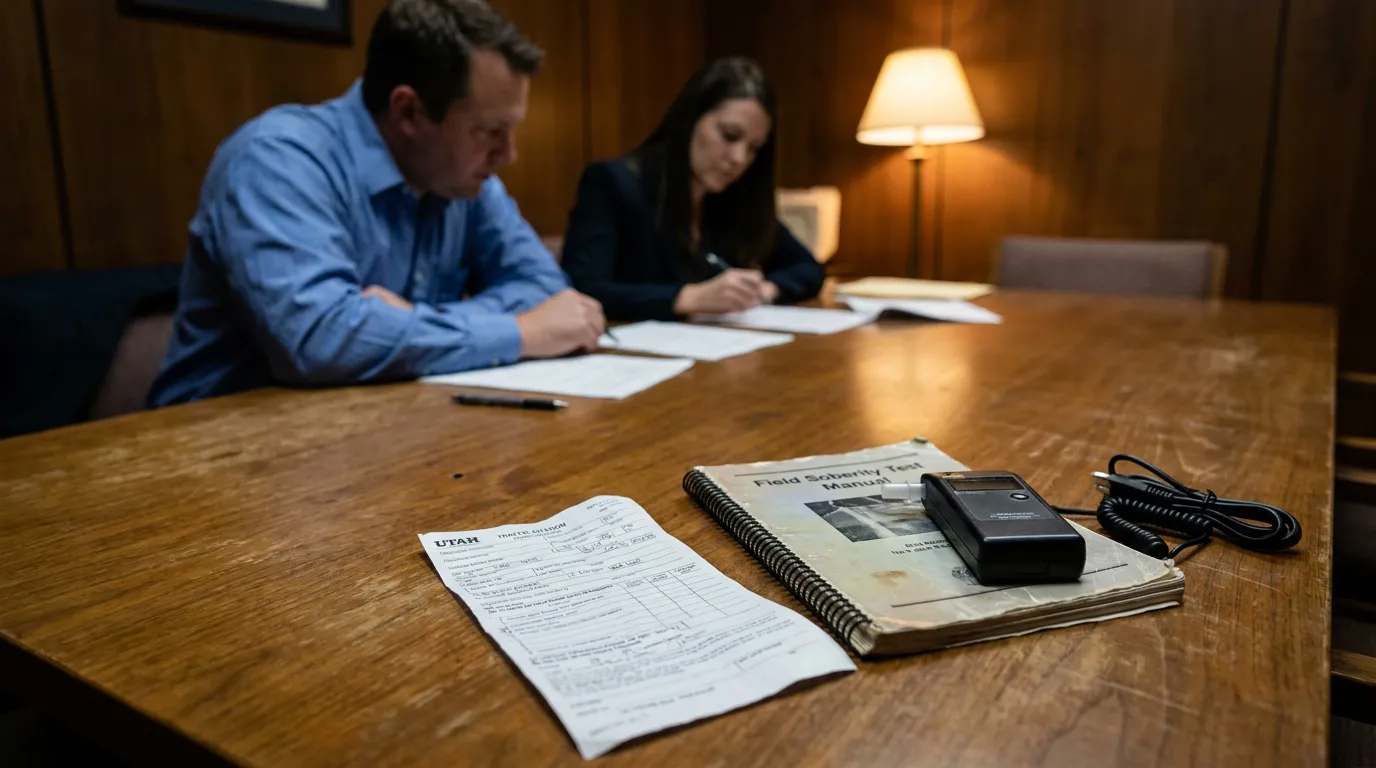
Attorneys also scrutinize the chemical and field sobriety testing that follows a stop, including whether equipment was properly calibrated, whether the operator followed protocol, and whether the sample was handled correctly. These fact-intensive questions can materially affect the reliability of the prosecution’s evidence, though success is never guaranteed.
Several recurring defense themes tend to emerge during a blitz:
- Stop legality: whether officers had lawful, neutral criteria at a checkpoint or reasonable suspicion for a roving patrol stop.
- Testing accuracy: whether breath or blood results were affected by calibration, timing, or handling issues.
- Metabolite challenges: whether a drugged driving result reflects impairment at the time of driving rather than lingering substances.
- Procedural compliance: whether implied consent advisories and arrest procedures met statutory requirements.
- Administrative deadlines: whether the Driver License Division hearing was requested in time to contest suspension.
These strategies must be applied to the specific facts of each case. What works in one matter may not apply in another, and courts interpret procedural and evidentiary exceptions narrowly. A careful review of police reports, video, and testing records is generally where meaningful defense work begins. For those facing a first arrest, our overview of defending a Utah DUI first offense explains how these enforcement periods intersect with early defense planning.
What Is at Stake After a Utah DUI Arrest
The consequences of a DUI conviction can reach well beyond a courtroom fine. Depending on circumstances, penalties may include license suspension, ignition interlock requirements, fines, and potential jail exposure. Commercial drivers face additional risk, since a DUI can jeopardize a CDL and the livelihood tied to it.
Timing is a central concern in the days after an arrest. The criminal case and administrative license case proceed on separate schedules, and the short statutory window, generally 10 calendar days, to request a license hearing can close before many people realize it exists. Acting promptly may preserve options that would otherwise be lost, though no result can be promised.
Employment and long-term record concerns often weigh heavily on first-time defendants, who are often more focused on keeping their job, license, and reputation than on courtroom drama. A defense approach that accounts for these practical realities, alongside the legal issues, tends to serve clients best. If you are researching your options, our team’s DUI defense resources for Salt Lake City drivers offer additional context on how these cases unfold.
How Does This Impact Me?
What Does the August 2026 DUI Blitz Mean for My Case?
The blitz doesn’t change the underlying law, but it changes the enforcement environment. More stops and checkpoints generally mean more arrests, and also more opportunities to challenge procedural compliance. Whether any particular defense applies depends entirely on the facts of your stop.
Is Impaired Driving Always Better Than a DUI Conviction?
Impaired driving is generally treated as a lesser offense with fewer collateral consequences, but it is not automatically available. Whether a reduction can be negotiated depends on the evidence, your history, and prosecutorial discretion, and it remains a criminal conviction that can count as a prior for future enhancement. An attorney can assess whether it’s realistic in your situation.
Do I Still Have Time to Protect My License?
Utah’s administrative license process moves quickly, and the window to request a Driver License Division hearing is short, generally 10 calendar days from the date of arrest. Missing that deadline can result in suspension regardless of the criminal outcome. Because timing is fact-specific and unforgiving, prompt legal consultation is often advisable.
Can My Chemical Test Result Be Challenged?
In some cases, yes, though success is never guaranteed. Attorneys may examine calibration, testing procedures, sample handling, and whether a drugged driving result reflects actual impairment at the time of driving.
What Should I Do Next After an Arrest?
The most useful first steps are generally to preserve documentation and avoid delay. Write down what you remember, keep any paperwork you received, and seek legal guidance promptly given the short administrative deadlines. Every case is different, so individualized advice is important.
Protecting Your Rights After a Holiday Stop
Utah’s August 2026 enforcement campaign underscored how aggressively the state pursues impaired driving allegations during holiday periods. For drivers caught in the surge, the interplay of a 0.05% BAC standard, zero-tolerance drugged driving rules, and tight administrative deadlines can feel overwhelming. Understanding your rights, the distinction between charges, and the procedural defenses available is the first step toward making informed decisions. Outcomes always depend on the specific facts, and nothing here should be treated as a promise or as individualized legal advice.
If you were arrested during the blitz, timely guidance can help you understand your options. The team at Nix Law works with drivers across Salt Lake City who are facing DUI and impaired driving allegations. To discuss your situation, call 385-444-2442 or contact us today to learn how these developments may affect your case.