
Utah’s July 2026 DUI Crackdown: What a First Arrest Really Means
Key Takeaways: Utah launched a statewide July 2026 DUI enforcement crackdown involving over 200 additional DUI enforcement shifts by 29 agencies, primarily through saturation patrols and roadside stops across the state, ahead of both Independence Day and Pioneer Day holidays. A first offense can carry jail exposure, fines exceeding $1,000, mandatory screening, and separate license suspension through the Driver License Division. Cannabis is treated like any impairing substance, and Utah applies no per se THC limit for impairment-based DUI. Amendments to the sentencing statute took effect January 1, 2026, meaning current penalties tie to the newest version. Timely action, including a prompt DLD hearing request, is critical to protecting driving privileges. This article explains the legal framework and practical defense considerations for anyone charged.
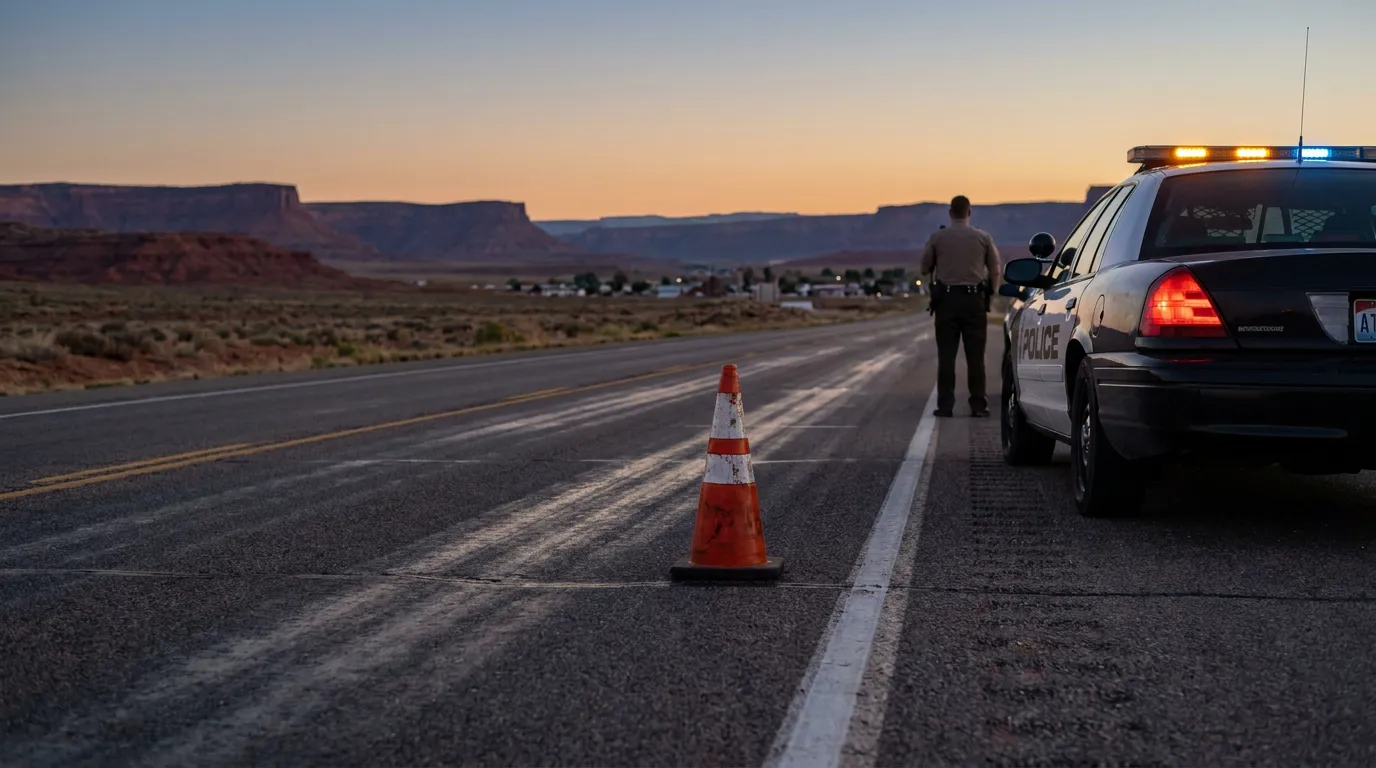
A statewide surge in traffic enforcement has been conducted this July, and drivers are feeling the impact. The July 2026 DUI crackdown involved over 200 additional DUI enforcement shifts by 29 agencies, focused on saturation patrols and roadside stops ahead of the Independence Day and Pioneer Day holidays, and many arrested have never been inside a courtroom. Understanding what a dui utah first offense involves is the first step toward making informed decisions about your rights and future.
For Salt Lake City residents, the difference between a conviction and a reduced charge can affect far more than a fine. A DUI touches driving privileges, insurance, and reputation, arriving with both criminal and administrative consequences that move on separate tracks. This overview focuses on lawful defense strategy and the burden the State must meet.

The Legal Framework Behind a Utah Impaired Driving Charge
Utah’s core DUI statute prohibits operating a vehicle while impaired by alcohol, drugs, or any combination of substances. Under Utah Code §41-6a-502, it is illegal to operate a motor vehicle while impaired, and cannabis is treated the same as any other impairing drug. A prescription, medical cannabis card, or legal substance does not automatically shield a driver from an impairment-based charge.
Proving drug impairment is more nuanced than measuring a breath-alcohol number. Utah does not have a per se THC limit for impairment-based DUI; THC levels are admissible evidence but evaluated alongside officer observations, driving behavior, and test performance. Utah separately prohibits driving with any measurable controlled substance or metabolite under Utah Code §41-6a-517, proven without impairment, though a valid prescription or medical cannabis card can serve as an affirmative defense. For patients navigating these rules, this guide to medical cannabis and Utah driving laws explains how officers approach these cases. Because impairment under §41-6a-502 is assessed under a totality-of-circumstances approach, field observation accuracy and chemical testing often become central to defense.
Utah’s implied consent law creates an administrative layer operating apart from the criminal case. Officers may request chemical testing, usually a blood draw because roadside THC testing is unreliable. Refusal can trigger automatic license suspension through the Utah Driver License Division, regardless of criminal outcome. This is why acting quickly to preserve administrative rights is as important as preparing criminal defense.
A Salt Lake City Scenario: When One Stop Changes Everything
Imagine a Salt Lake City nurse driving home after dinner during a July enforcement weekend. She is stopped during a saturation patrol stop, submits to a blood test, and later learns she is charged with first-offense DUI even though she felt fine to drive. Suddenly she worries about her professional license, commute, and whether one night will define her record.
Her concerns are common and legitimate. A DUI conviction can affect employment, professional licensing, custody disputes, and background checks. For commercial drivers, high-BAC arrestees, and licensed professionals, collateral effects can rival criminal penalties. These situations make early, strategic response critical.
Penalties for a DUI Utah First Offense Under the Sentencing Statute
The controlling authority for penalties is Utah’s DUI sentencing statute, which sets mandatory minimums a court must impose. You can review the full text of the Utah DUI sentencing statute to see how requirements are structured. For a first conviction, the statute requires the court to impose either a minimum 48-hour jail sentence, 48 hours of compensatory-service work, or home confinement through electronic monitoring, along with a fine of not less than $700 and mandatory screening.
Real-world costs and conditions climb quickly. A first-time DUI offense can result in jail time, fines and surcharges exceeding $1,000, and mandatory education or treatment programs; administrative penalties are handled separately, and suspension may occur without criminal conviction. A judge must order alcohol or drug screening, an assessment where appropriate, and an educational series — unless the court instead orders substance abuse treatment. The educational series requirement and screening/assessment obligations are set out in the sentencing statute.
Elevated-BAC arrests carry additional layers under the same statute. Where admissible evidence shows a BAC of.16 or higher, the court is directed to order treatment and one or more of the following as a condition of probation: (i) an ignition interlock system, (ii) an ankle-attached continuous transdermal alcohol monitoring device or remote alcohol monitor, or (iii) home confinement through electronic monitoring — unless the court describes on the record why those orders are not appropriate (Utah Code Section 41-6a-505(13), effective January 1, 2026). Supervised probation is also required for high-BAC DUI offenses under Utah Code §41-6a-505. The statute reflects amendments effective January 1, 2026, so current enforcement ties to the most recent version.
Why Mandatory Minimums Shape Defense Strategy
A defining feature of the sentencing statute is that mandatory minimums generally cannot be suspended by the court. That constraint is why negotiating a reduction to a lesser charge such as impaired driving becomes a primary path to avoiding mandatory DUI penalties. Whether such reduction is available depends heavily on specific facts, evidence strength, and the prosecutor’s assessment.
Because these outcomes are fact-dependent, no result can be promised. Thorough defense examines the legality of the traffic stop, administration and reliability of field sobriety tests, and handling and chain of custody of any blood sample. Our Salt Lake City DUI lawyer resources explain common defense angles in more detail.
Deadlines That Can Make or Break Your Case
Timing is one of the most overlooked aspects of first DUI defense in Utah. The administrative license process moves on a short clock, and missing a deadline can cost driving privileges before your criminal case is resolved. Learn how to request a DLD hearing after a first arrest.
On the criminal side, statutes of limitation set the deadline for the State to file charges. If the statute of limitations has passed, the defendant cannot be prosecuted. A first- or second-offense DUI is a misdemeanor with a two-year statute of limitations, while a third or subsequent DUI is a felony with four years. Utah’s criminal statutes of limitation are codified in Utah Code §76-1-301 to §76-1-306, and the statute of limitations overview from state courts explains the concept.
Determining when the clock starts and whether it is tolled can be complicated and is interpreted narrowly by courts. Most Utah statutes of limitation range from one to eight years, with the shortest being one year for infractions, two years for most misdemeanors, four years for most felonies, and up to eight years for certain sex offenses, and limited circumstances, such as a defendant leaving the state, may suspend the deadline. Because tolling does not apply automatically, confirming the applicable deadline with the Utah Code or through counsel is advisable.
Key timing considerations include:
- The short administrative window to request a Driver License Division hearing after arrest
- The criminal filing deadline set by the applicable statute of limitations
- Deadlines to preserve evidence, such as blood samples and dashcam or bodycam footage
- Court dates and screening or treatment enrollment requirements imposed at arraignment
How Does This Impact Me?
What Does the July 2026 Enforcement Surge Mean for My Case?
It generally means more enforcement activity, but not necessarily stronger cases. Increased enforcement can lead to rushed stops and procedural shortcuts, which may create grounds to challenge the stop legality or testing reliability. Each case turns on its own facts.
Can I Still Be Charged if My THC Level Was Low?
Possibly, because Utah does not use a per se THC threshold for impairment. For impairment-based DUI, prosecutors rely on totality of circumstances, including driving behavior and officer observations, rather than a single number. Utah’s measurable-substance statute can allow a charge based on any detectable amount of a controlled substance or metabolite, subject to defenses such as valid prescription or medical cannabis card. That framework often opens the door to challenging subjective conclusions.
Does Refusing a Test Automatically Suspend My License?
A refusal can trigger an administrative suspension separate from the criminal case. This consequence flows through the Driver License Division and may apply even without conviction. Requesting a timely hearing is the way to contest that suspension.
Will a First Offense Follow Me Long-Term?
It can, given collateral effects on employment, licensing, and background checks. In many cases, mitigating long-term consequences is a central goal, whether through a reduction to a lesser charge or careful record handling. Outcomes depend on specific facts and evidence.
Protecting Your Rights After a First DUI Arrest
A first DUI arrest during an enforcement blitz is stressful, but it is not the end of the story. The State still carries the burden of proving impairment beyond reasonable doubt, and the criminal and administrative processes each present opportunities to protect your rights. Understanding the sentencing framework, testing science, and deadlines gives you a meaningful advantage.
Because every case is different, this article is general information rather than individualized legal advice. Whether the right path is challenging the stop, contesting chemical evidence, negotiating a reduction, or preparing for trial depends entirely on your facts. A prompt, informed evaluation is the best foundation for a sound decision.
If you were arrested during the July 2026 DUI crackdown, you do not have to navigate the process alone. The team at Nix Law is recognized for handling Utah DUI arrest defense matters and is available to discuss your situation. Call 385-444-2442 or contact us today to learn more about your options and deadlines that may affect your case.