
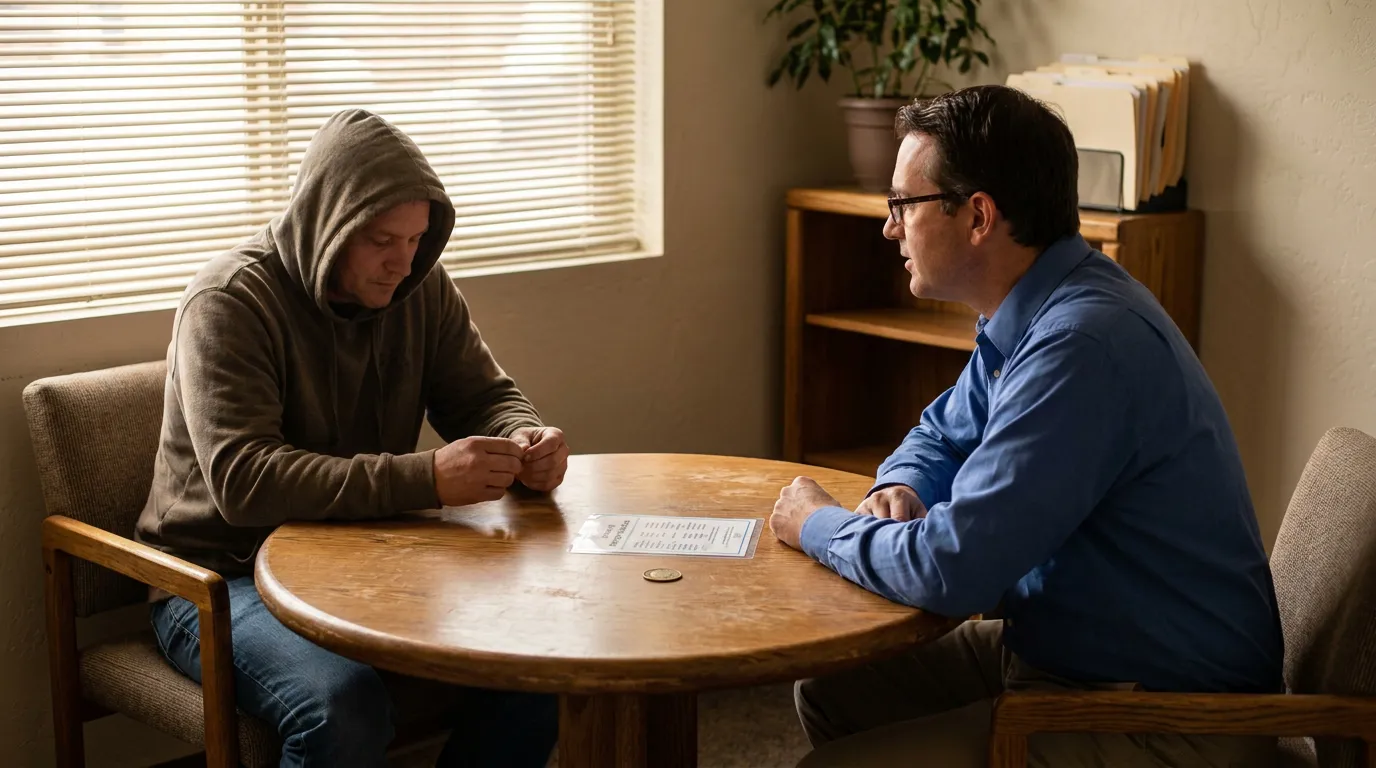
Understanding How Salt Lake City’s Drug Court Decides Who Gets a Second Chance
Key Takeaways: Drug court in Salt Lake City is generally available to defendants with a diagnosed substance use disorder, a qualifying non-violent and substance-driven charge, an acceptable criminal history, and willingness to accept intensive judicial supervision. Utah’s drug courts are specialized problem-solving dockets within the state court system, authorized under Utah Code Section 78A-5-201 with eligibility rules set by the Judicial Council; the federal RISE program generally serves a different population. Eligibility is typically determined through intake and clinical evaluation, a validated risk and need assessment such as the LS/CMI, and criminal history review, with prosecutorial agreement often acting as a practical gatekeeper. A multidisciplinary team, judge, prosecution, defense, case management, and treatment providers, generally makes the decision together, so early defense involvement may shape the outcome. Admission is only the start, since participants face phased requirements, frequent drug testing, regular court appearances, and sanctions for non-compliance. Meeting the criteria does not guarantee a seat or make the program the right choice, so the evidence, sentencing exposure, and program terms should be weighed together.
If you are facing a controlled substance charge in Salt Lake County, you may qualify for drug court with a diagnosed substance use disorder, a qualifying non-violent charge, and genuine willingness to submit to intensive judicial supervision and treatment. Drug courts are not automatic or available to everyone. Eligibility generally depends on clinical assessment results, the nature of the charge, prior criminal history, and prosecutorial agreement, all varying by case and courtroom.
If you are wondering whether you or a loved one might be eligible, the defense team at Nix Law can review the charge, the screening process, and realistic alternatives. Call 385-444-2442 or contact us now before critical deadlines pass.
What Drug Courts Actually Are Under Utah’s Court System
Drug courts in Utah are specialized dockets, not separate courthouses. These programs operate as problem-solving courts within the state court system under judicial oversight, targeting the underlying issues that push people into the justice system. Utah’s statute permits a drug court in any judicial district demonstrating need and a collaborative strategy among the court, prosecutors, defense counsel, corrections, and treatment services. Salt Lake City’s program generally follows the same structural principles as other Utah districts, though each jurisdiction sets its own providers and restrictions.
The national model shapes how these courts operate. Drug courts pair judicially supervised treatment with accountability as an alternative to incarceration, and Utah’s programs incorporate the ten key components developed under the U.S. Department of Justice framework, explaining why questions often focus on clinical need rather than punishment alone.
Federal programs generally operate on a separate track. The RISE Drug Court, run by the U.S. District Court for the District of Utah, serves individuals on post-conviction federal supervision with substance dependence, a narrower population than a state-level drug court. If your case is in state court, RISE is typically not your pathway, and confusing the two can waste valuable time.
The Core Utah Drug Court Eligibility Requirements
Most eligibility requirements rest on three pillars: clinical, legal, and behavioral. Participants are generally screened for non-violent offense status, assessed clinically for dependency, and required to agree to intensive supervision and sanctions before admission. Falling short on one pillar can affect admission even when others look strong. Utah law directs the Judicial Council to prescribe eligibility rules, and notably does not require a felony plea, conviction, or adjudication for participation.
Common screening factors include:
- A diagnosed substance use disorder confirmed through clinical assessment
- A qualifying charge, typically non-violent and drug-driven
- Criminal history review, weighing prior violent convictions heavily
- Risk and need assessment results matching the target population
- Willingness to sign an agreement accepting supervision, testing, and court reviews
Prosecutorial agreement is often a practical gatekeeper. Even a clinically appropriate defendant typically needs the prosecution’s consent, and in Salt Lake County the District Attorney’s Office generally uses assessment results in determining eligibility. This is why early defense involvement matters, particularly since referrals typically come through legal defenders or private counsel. Understanding the charge, evidence, and any suppression issues can shape whether the state agrees to a treatment-based resolution.
Why Non-Violent Status Matters So Much
Violent offense history is among the most common disqualifiers statewide. Cache County’s program, for example, targets non-violent offenders whose criminal behavior is driven by substance abuse, a framework mirrored across county programs. Salt Lake County’s screening likewise aims to identify eligible non-violent offenders, though application depends on your record and the team’s discretion. Eligibility and exclusion criteria are expected to be written down and applied objectively under Utah’s certification standards, so asking for the program’s written criteria is reasonable.
Not every prior conviction ends the conversation. Older offenses, dismissed charges, or matters resolved without adjudication may be viewed differently than recent violent convictions. Counsel can often present context a raw criminal history report doesn’t capture, though some exclusions may be categorical.
The Clinical Assessment Step
Drug court screening generally begins with an intake and evaluation. In Salt Lake County that typically includes the LS/CMI risk and needs assessment along with a clinical substance use and mental health screening, looking for genuine dependency rather than casual use. Defendants who minimize their history sometimes screen out, not for lacking need, but because the assessment doesn’t document it.
Honesty during assessment can carry real consequences either way. Statements made during screening may not be confidential in the way defendants assume, and could be shared with the team or affect the underlying case, which is why speaking with counsel first matters.
💡 Pro Tip: Request a copy of your own treatment or assessment records before screening when possible. Documented history of prior treatment attempts often strengthens the clinical case for admission.
How the Drug Court Team Evaluates Requirements
Drug courts rely on a multidisciplinary team rather than a single decision-maker. The key components model emphasizes a non-adversarial, coordinated strategy in which prosecution and defense counsel promote public safety while protecting due process rights, alongside the judge, case managers, and treatment staff. Your defense attorney is a participating member of the process, not an outsider. Final admission decisions, however, generally rest with the court and prosecution.
That collaborative structure can change defense strategy. Your lawyer still protects your constitutional rights, including challenges to unlawful searches and disputes over possession, while positioning you as a treatment candidate. These tracks aren’t necessarily in conflict, though placement may eventually require resolving contested issues. A strong suppression motion may even improve leverage in negotiating placement.
| Screening Factor | What the Team Generally Considers |
|---|---|
| Charge type | Whether the offense is non-violent and substance-driven |
| Clinical need | Assessment findings showing substance dependency |
| Criminal history | Prior violent convictions and pattern of offending |
| Program fit | Risk and need levels matching the target population |
| Commitment | Agreement to phases, testing, and regular court appearances |
What Participation Actually Demands
Admission is generally the beginning, not the finish line. Programs operate in structured phases requiring regular court appearances, ongoing treatment, and continuous compliance monitoring, including frequent drug testing. Missed appointments or positive tests may trigger graduated sanctions from increased supervision to short jail stays, depending on the program.
The demands can be substantial, and that’s worth weighing honestly. For a first-time misdemeanor, supervision burdens may exceed a negotiated plea, and lower-risk defendants may fit better with a less intensive track like Utah’s Third District ASAP program. For those facing a serious felony, drug court may offer a meaningful alternative to prison and a path toward dismissal or reduction. Anyone weighing whether recovery court can help resolve a Salt Lake City drug felony should compare the actual terms against realistic sentencing exposure, not a best-case hypothetical.
💡 Pro Tip: Ask specifically what happens to your charge upon successful completion. Some programs contemplate dismissal, others reduction, a difference that can affect your record for decades.
Funding, Standards, and Why Programs Differ
Treatment court capacity is shaped in part by funding priorities. Utah’s drug courts are funded through a state formula process, and SAMHSA grants also support expanding services in existing adult and family treatment drug courts, targeting adults eligible for diversion from incarceration into treatment, as well as parents in child welfare matters through family drug courts. Funding cycles and slot availability can influence placement, which is why eligibility in practice sometimes feels narrower than eligibility on paper.
National standards also guide how courts assess candidates. All Rise, formerly the National Association of Drug Court Professionals, promotes Adult Drug Court Best Practice Standards guiding treatment court operations nationwide, with certain courts designated mentor courts for exemplary adherence. Utah’s judicial certification checklists restate many of these standards, including that eligibility and exclusion criteria be objective and in writing, explaining why a Salt Lake City screening interview can resemble one conducted elsewhere.
Common Obstacles Defendants Encounter
The most frequent problem is timing. Drug court placement is often negotiated at a specific case stage, and the model emphasizes identifying eligible participants early, so defendants who wait too long may find a plea already entered or an offer expired. Early consultation with a drug court eligibility Salt Lake City lawyer may preserve options that later become unavailable.
The second obstacle is assuming eligibility equals admission. Meeting published criteria doesn’t guarantee a seat; not everyone who meets minimum criteria is accepted. Capacity limits, prosecutorial objections, pending charges elsewhere, and immigration consequences can all complicate placement. Outcomes always depend on specific facts, and no attorney can promise a particular result.
A third obstacle is overlooking the underlying defense. Before accepting any supervised program, the evidence deserves scrutiny. Chain-of-custody gaps, unlawful stops, and weak proof of knowing possession may support dismissal or suppression, potentially a better outcome than any program. The state carries the burden of proving guilt beyond a reasonable doubt, and that burden shouldn’t be conceded prematurely.
Frequently Asked Questions
1. Does a felony charge automatically disqualify me from drug court in Utah?
Generally no, and sometimes the opposite is true. Drug courts often target defendants facing serious substance-driven felonies precisely because the alternative is incarceration, and Utah law doesn’t require a felony plea or conviction for participation. A more common disqualifier is a violent offense or history, subject to case-by-case review.
2. What if I do not think I have a substance use disorder?
Programs generally require a clinical assessment showing dependency. If the assessment doesn’t document one, you may not fit the target population, and a different resolution may serve you better, a strategic conversation to have with counsel.
3. Can I be removed from drug court after admission?
Yes, termination is possible. Repeated non-compliance, new charges, or absconding from supervision may result in removal, after which original sentencing exposure may return, depending on your plea or program agreement. Programs often use graduated sanctions first, though practices vary.
4. Is the federal RISE program an option for my state charge?
Generally no. RISE serves individuals on federal post-conviction supervision assessed with substance dependence, typically a distinct population from state court defendants. Your state charge would proceed through Utah’s state problem-solving court framework instead.
5. Should I talk to an attorney before the screening interview?
In most situations, yes. What you say during screening may affect both eligibility and your criminal case, and screening referrals in Salt Lake County typically run through defense counsel anyway. Counsel can explain the process, the risks, and how your statements may be used.
Weighing Treatment Against Traditional Defense
Utah drug court qualifications generally come down to documented clinical need, a qualifying non-violent charge, an acceptable criminal history, and real commitment to intensive supervision and sanctions for non-compliance. The screening process is structured, standards are grounded in statute, Judicial Council rules, and national best practices, and the decision often involves a coordinated team rather than one judge alone. Still, meeting the requirements doesn’t make placement certain, and doesn’t mean the program is right for every defendant. The strongest approach evaluates the evidence, the exposure, and the program terms together.
If you want a clear, candid assessment of whether drug court fits your case, the defense attorneys at Nix Law are ready to help. Reach out at 385-444-2442 or schedule a consultation to review your charge and your options today.
Disclaimer: This content is for informational purposes only and is not legal advice. Every case is unique, and results may vary. Consult an attorney about your specific circumstances.