
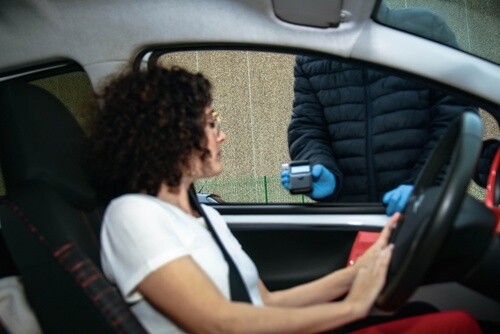
Can a Salt Lake City DUI Be Reduced to Impaired Driving?
Yes, under certain circumstances, a DUI charge in Salt Lake City may be reduced to impaired driving. Utah Code Section 41-6a-502.5 allows a class B misdemeanor DUI committed on or after July 1, 2008, to be entered as an impaired driving conviction when the prosecutor agrees to the reduction. This pathway offers defendants a chance to lessen the severity of their charge, but comes with specific eligibility requirements and is not available to everyone.
If you are facing a DUI charge and need to understand your legal options, Nix Law can help. Call 385-444-2442 or contact us today to discuss your case with a DUI defense attorney in Salt Lake City.
How Utah Law Allows a DUI to Be Reduced to Impaired Driving
Utah Code Section 41-6a-502.5 creates the legal pathway for reducing a DUI to an impaired driving conviction. A plea to a class B misdemeanor DUI under Section 41-6a-502 may be entered as impaired driving with the prosecutor’s agreement. The statute provides two routes: the defendant completes court-ordered probation requirements and the court then enters the reduced conviction, or the prosecutor agrees as part of a negotiated plea and the court finds the plea to be in the interest of justice.
Prosecutor Agreement and Court Approval
The prosecutor’s role in a Utah DUI charge reduction is critical. Without prosecutorial consent, the court cannot enter an impaired driving conviction. The strength of your defense, case facts, and mitigating factors all influence whether the prosecution will agree. Courts in Salt Lake City follow these same provisions, since Section 41-6a-510 requires local DUI ordinances to remain consistent with state code.
💡 Pro Tip: Begin gathering documentation of your clean driving history and mitigating circumstances early. Prosecutors may be more open to a reduction when defendants demonstrate low risk and accountability.
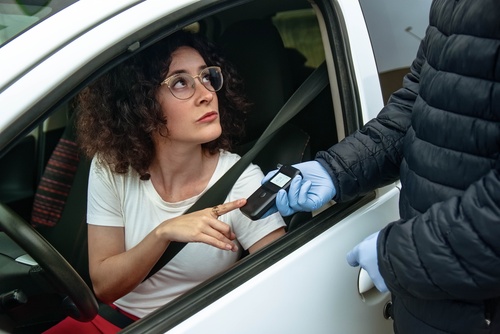
What Is the Difference Between a DUI and Impaired Driving in Utah?
A DUI under Section 41-6a-502 is a class B misdemeanor and carries more serious consequences than an impaired driving conviction. Utah’s DUI statute is a strict liability offense, meaning the prosecution need not prove intent. A guilty or no contest plea to a DUI cannot be held in abeyance, so the charge must be resolved through conviction or formal reduction. The Utah impaired driving statute under Section 502.5 provides a lesser conviction that, while still classified as a class B misdemeanor, is treated as a one-degree reduction from the original DUI for sentencing purposes under Section 76-3-402.
Sentencing Impact of the One-Degree Reduction
The entry of a DUI plea as impaired driving constitutes a reduction of one degree for sentencing purposes under Section 76-3-402, though the impaired driving conviction itself remains classified as a class B misdemeanor under Section 41-6a-502.5(2). This means penalties for impaired driving are generally less severe than those for a standard DUI conviction, affecting fines, potential jail exposure, and the long-term weight of the conviction on your record.
| Factor | DUI (§41-6a-502) | Impaired Driving (§41-6a-502.5) |
|---|---|---|
| Offense Classification | Class B Misdemeanor | Class B Misdemeanor (one degree lower for sentencing) |
| Liability Standard | Strict Liability | N/A (entered by plea reduction) |
| Prosecutor Agreement Required | N/A | Yes |
| Plea in Abeyance Available | No | N/A |
| Available with Prior DUI Convictions | Yes (penalties may increase) | Only if DUI remains a class B misdemeanor |
💡 Pro Tip: Understanding the difference between an arrest, charge, and conviction matters when evaluating your options. A charge reduction to impaired driving still results in a conviction, but with potentially lighter penalties.
Who Qualifies for a DUI Charge Reduction in Salt Lake City?
Not every person facing a DUI in Salt Lake City will be eligible for a reduction to impaired driving. The impaired driving reduction under Section 41-6a-502.5 applies only to class B misdemeanor DUI charges, excluding defendants whose charges have been elevated due to prior convictions or aggravating factors. Additional restrictions apply based on offense circumstances, including cases involving a blood alcohol concentration of.16 or higher, a BAC of.05 or higher combined with any measurable controlled substance, or a combination of two or more controlled substances.
Prior Convictions and Eligibility Restrictions
A prior conviction for DUI or a related offense can result in enhanced charges that exceed class B misdemeanor status, making the impaired driving reduction under Section 41-6a-502.5 unavailable. Utah law defines "prior conviction" broadly under Subsection 41-6a-501(2), so reviewing your complete driving and criminal history with your attorney is important. Violations of local ordinances similar to the state DUI statute also count, since Utah’s DUI statute includes violations under local ordinances adopted in compliance with Section 41-6a-510.
💡 Pro Tip: Even if you believe you have no prior convictions, check whether any past traffic-related pleas in other jurisdictions could be classified as DUI-related under Utah law.
What Happens If You Fail Probation After a DUI Plea Reduction?
If a defendant fails to appear before the court and establish successful completion of court-ordered probation requirements, the court shall enter an amended conviction for the original DUI charge under Section 41-6a-502. The statute requires the defendant to appear before the court and demonstrate successful completion of all probation conditions. Failing to complete required programs or not appearing at the required hearing can undo the reduction entirely.
💡 Pro Tip: Keep detailed records of every probation compliance step, including completion certificates, attendance logs, and payment receipts for evidence if disputes arise.
Why You Need a DUI Defense Attorney in Salt Lake City
Working with a DUI defense attorney in Salt Lake City can significantly affect how your case is resolved. A DUI charge involves overlapping legal processes, including potential administrative hearings with the Driver License Division, criminal court proceedings, and plea negotiations. Each stage presents opportunities to protect your rights and pursue the best outcome.
Challenging the Underlying DUI Charge
Before pursuing a plea reduction, examine whether the DUI charge can be challenged on its merits. Common defense strategies include:
- Questioning the legality of the initial traffic stop
- Challenging the accuracy of breath or blood tests
- Evaluating whether field sobriety testing followed proper protocols
- Identifying procedural errors in the arrest process
If weaknesses exist in the prosecution’s case, they strengthen your position when seeking a reduction to impaired driving. A Salt Lake City DUI lawyer can evaluate your case facts and guide you through the decision of whether to negotiate or proceed to trial. Utah’s DUI laws carry strict deadlines, including the 10-day window to request a Driver License Division hearing.
Other Possible DUI Plea Reductions in Utah
Impaired driving is not the only potential reduction for a DUI charge in Utah. Section 41-6a-512 addresses the factual basis required for an alcohol or drug-related reckless driving plea, which is another common reduction option. The best path depends on the evidence strength, your driving history, your BAC level, and prosecuting office policies.
💡 Pro Tip: A guilty or no contest plea to a DUI cannot be held in abeyance under Utah law, meaning you cannot defer the charge for later dismissal. This makes pursuing the strongest possible resolution early more important.
Frequently Asked Questions
1. Can a DUI plea in Salt Lake City be held in abeyance?
No, Utah law prohibits holding a guilty or no contest plea to a DUI in abeyance. Under Section 41-6a-502(7), a DUI must be resolved through conviction or formal reduction to a lesser offense.
2. Does the impaired driving reduction apply to Salt Lake City municipal DUI charges?
Yes, because Utah law requires local DUI ordinances to be consistent with state code. Section 41-6a-502(4) specifies that DUI violations include charges under local ordinances adopted in compliance with Section 41-6a-510.
3. What role does the prosecutor play in a Utah DUI charge reduction?
The prosecutor must agree before a DUI can be entered as impaired driving. Without prosecutorial consent, the court cannot enter the reduced conviction.
4. Are there additional penalties if a child was in the vehicle during a DUI?
Yes, Utah law imposes a separate DUI offense for each passenger under 16 years old in the vehicle. Under Section 41-6a-502(8), minors in the car during a DUI result in additional charges that can substantially increase penalties.
Protecting Your Future After a Salt Lake City DUI Charge
A DUI charge does not have to define your future. Utah law provides pathways for reducing a DUI to impaired driving or other lesser offenses, but navigating these options requires understanding the statutes, eligibility rules, and procedural deadlines. Whether you are a first-time offender or need to challenge the evidence, taking action early gives you the strongest position to protect your driving privileges, employment, and record.
Nix Law is ready to help you understand your rights and build a strong defense. Call 385-444-2442 or reach out online to schedule a consultation and take the first step toward resolving your case.