Online Messages Alone Can Lead to Serious Charges in Utah
Key Takeaways: In many cases, you may be charged with enticing a minor in Utah even if no meeting ever happened, because Utah Code § 76-5-417 generally treats the communication itself as the crime. The statute covers attempts, messages to third parties about a minor, written notes after an initial electronic contact, and grooming that builds trust with a minor or the minor’s parent. Sting operations are common, and a charge may apply even when the "minor" was really an adult officer, as long as the accused believed they were talking to a child. The penalty usually depends on the type of sexual offense allegedly solicited. The State must still prove beyond a reasonable doubt that the accused acted knowingly and, in many forms of the offense, with specific intent. Ambiguous messages, beliefs about age, possible entrapment, and the reliability of digital evidence are key defense issues. Anyone under investigation should avoid talking to police or deleting data before speaking with a lawyer.
In many cases, Utah prosecutors may file an enticement charge even if you never met anyone in person. Under Utah law, enticing a minor is mainly a crime of communication. The statute focuses on what you said, what you sent, and what you intended. It does not require a meeting, physical contact, or a completed sexual act. Many people arrested in Salt Lake City are surprised to learn that a text thread or chat log can be the core of a felony case, sometimes when no real child was ever involved.
If you are facing questions from police or a pending charge, Nix Law can review the evidence and explain your options. Call 385-444-2442 or contact us now to schedule a confidential consultation.

What the Enticing a Minor Utah Code Actually Prohibits
The governing statute is Utah Code § 76-5-417, which defines the offense of enticing a minor to engage in sexual activity. Under Utah’s enticement statute, a person commits the offense if they knowingly use an electronic communication or device to solicit, seduce, lure, or entice a minor, or a person they believe to be a minor, to engage in sexual activity that violates state criminal law. The statute does not list an in-person meeting as an element, so a person can generally be charged when no meeting took place.
The statute is broader than many people expect. Under Utah Code § 76-5-417(2), the prohibited conduct includes:
- Using electronic communication to solicit or entice a minor, or to attempt to do so (§ 76-5-417(2)(a)(i))
- Communicating with any individual, such as a third party, with the intent to entice a minor into illegal sexual activity (§ 76-5-417(2)(a)(ii))
- First making contact with a minor electronically and later soliciting or enticing the minor by any electronic or written means, including handwritten notes (§ 76-5-417(2)(a)(iii)(A)-(B))
- Building a relationship of trust with a minor, or the minor’s parent or guardian, with the intent to entice the minor into illegal sexual activity (§ 76-5-417(2)(b))
Why "Grooming" Can Be Charged Without Messages or a Meeting
The relationship-of-trust provision in § 76-5-417(2)(b) reaches conduct that prosecutors often describe as grooming. This form of the offense may apply even without electronic messages or a meeting. Building trust with a child or family is not a crime in itself, though. The State must prove the accused acted with intent to entice the minor into illegal sexual activity. These cases are fact-intensive, and the prosecution may rely on patterns of behavior, gifts, time spent together, or conversations with family members to argue intent.
Penalties Depend on the Underlying Offense
The severity of an enticement charge generally depends on the type of sexual offense allegedly solicited. Soliciting a more serious underlying offense generally raises the degree of the charge. A conviction may also carry consequences beyond incarceration and fines, such as sex offender registration. Anyone facing this charge should have the statute and charging documents reviewed carefully.
Attempted Enticement Under Utah Code: When Trying Is Enough
Utah’s enticement statute expressly covers attempts, so a failed effort may still lead to prosecution. Section 76-5-417(2)(a)(i) applies to anyone who tries to "solicit, seduce, lure, or entice" a minor, as well as anyone who succeeds. It may not matter that the other person ignored the messages, refused, or never showed up.
Utah’s general attempt law points in the same direction. Under Utah’s criminal attempt law, Utah Code § 76-4-101(1), a person is guilty of an attempt if they engage in conduct constituting a substantial step toward committing a crime and intend to commit it. Prosecutors do not need to prove a meeting took place.
💡 Pro Tip: Prosecutors often treat steps like arranging a time, sharing a location, or driving toward an agreed spot as evidence of intent. Do not explain these actions to investigators without legal counsel present. Innocent explanations may be reframed.
Sting Operations: When the "Minor" Is Actually an Adult
Many Utah enticement cases involve no real child at all. Section 76-5-417(2)(a)(i) and (iii) apply to a minor or to "a person the actor believes to be a minor." This language makes undercover sting operations possible. Officers may pose as teenagers on social media, dating apps, or chat platforms. If the accused believed they were talking to a minor, the statute may apply even though the other person was an adult officer. The absence of a real child is generally not a defense on its own.
These cases often begin long before an arrest. Some investigations start with a tip from an online platform. To understand how platform reports reach local law enforcement, see what an NCMEC CyberTipline report is and how it moves through the system. By the time police make contact, investigators may already have screenshots, account records, and device data.
| Scenario | Can a Charge Apply? | Key Statutory Basis |
|---|---|---|
| Messages sent to a real minor, no meeting | Potentially yes | § 76-5-417(2)(a)(i) |
| Messages sent to an officer posing as a minor | Potentially yes | "Person the actor believes to be a minor" |
| Messages to a third party about a minor | Potentially yes | § 76-5-417(2)(a)(ii) |
| Handwritten notes after initial electronic contact | Potentially yes | § 76-5-417(2)(a)(iii) |
| Messages ignored or rejected | Potentially yes, as an attempt | § 76-5-417(2)(a)(i); § 76-4-101 |
Building a Salt Lake City Enticement Defense
A strong Salt Lake City enticement defense usually begins with the mental state the State must prove. Section 76-5-417(2) requires that the accused acted "knowingly." Several forms of the offense also require proof of intent to entice the minor into illegal sexual activity, as reflected in the "with the intent to" language in subsections (2)(a)(ii) and (2)(b). The State must prove each element beyond a reasonable doubt.
Questioning Knowledge and Intent
Defense lawyers often look closely at whether the messages actually show knowledge and intent. Online conversations can be ambiguous, sarcastic, or role-play between adults. The full conversation history, not only the excerpts the State highlights, may show a different picture. The defense may point to who started the sexual subject matter, how the conversation developed, and whether the accused ever showed a real plan to act.
Challenging Beliefs About Age
What the defendant actually believed about the other person’s age can be central to the case. In sting cases, the State must show that the accused believed they were talking to a minor. Profiles on adult-only platforms, inconsistent age claims, or photos that appear to show an adult may become important evidence. The defense may also examine whether officers pushed the conversation in ways that could support an entrapment defense under Utah Code § 76-2-303. That defense generally requires showing that law enforcement used methods likely to cause a normally law-abiding person to commit the offense. Merely giving someone an opportunity to commit a crime is not entrapment.
Examining the Digital Evidence
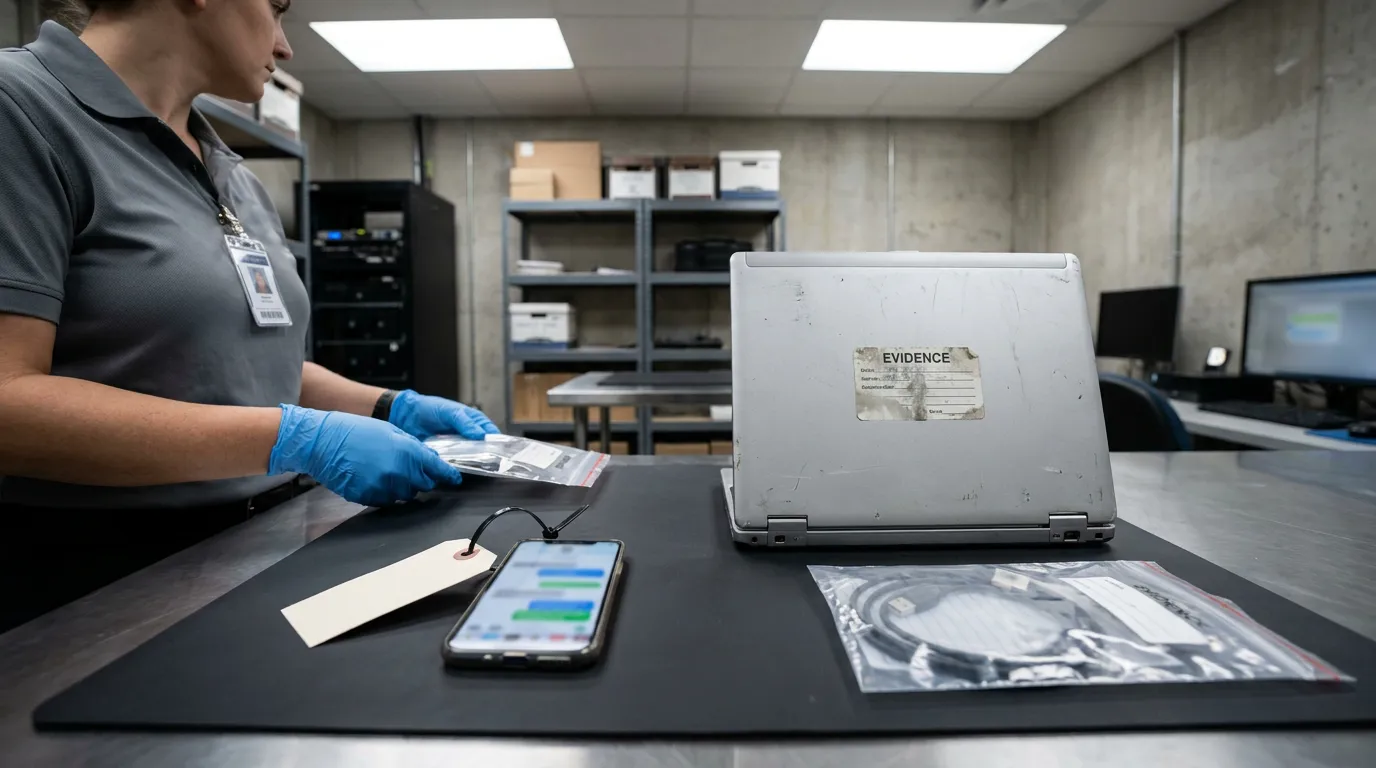
Digital evidence is often less complete than it first appears. Questions about who controlled an account, whether a device was shared, and whether chat logs were preserved accurately may affect the strength of the case. Search warrant scope and the way devices were seized and examined may also raise suppression issues.
💡 Pro Tip: Do not delete accounts, messages, or apps after learning of an investigation. Deleting data may lead to separate charges such as evidence tampering or obstruction, and may be used to argue consciousness of guilt.
Frequently Asked Questions
1. Can I be charged with enticing a minor if I never met anyone?
Yes, in many cases. Utah Code § 76-5-417 focuses on knowingly using electronic communication to solicit or entice a minor, and an in-person meeting is not an element of the offense.
2. What if the "minor" turned out to be a police officer?
The statute applies to a person the actor believes to be a minor, so a charge may still be filed even though no real child was involved. The State must still prove your belief and mental state, and entrapment may be a defense in some cases.
3. Do the messages have to be sent directly to the minor?
Generally, no. Under § 76-5-417(2)(a)(ii), communicating with any individual with the intent to entice a minor into illegal sexual activity may violate the statute.
4. Can written notes count, or only texts and online chats?
Written notes may count. If the initial contact was electronic, § 76-5-417(2)(a)(iii) covers later soliciting or enticing by "any electronic or written means."
5. Should I talk to police if they contact me about messages?
Speaking with investigators without a lawyer can be risky. You generally have the right to remain silent and to ask for an attorney. Statements can be used as evidence of knowledge or intent, so it is generally wise to get legal advice first.
Protecting Your Future When No Meeting Took Place
The absence of a meeting generally does not prevent an enticement charge in Utah. The enticing a minor Utah Code provisions may treat the communication, the attempt, and in some cases the grooming conduct as the crime itself. At the same time, the State must prove beyond a reasonable doubt that you acted knowingly and, in many forms of the offense, with specific intent. If you need an enticing a minor Utah Code lawyer, early action may make a difference in how the case develops.
The attorneys at Nix Law defend people accused of enticement and other sex-related offenses throughout the Salt Lake City area. Call 385-444-2442 or reach out to our team today for a confidential review of your situation.
Disclaimer: This content is for informational purposes only and is not legal advice. Every case is unique, and results may vary. Consult an attorney about your specific circumstances.