
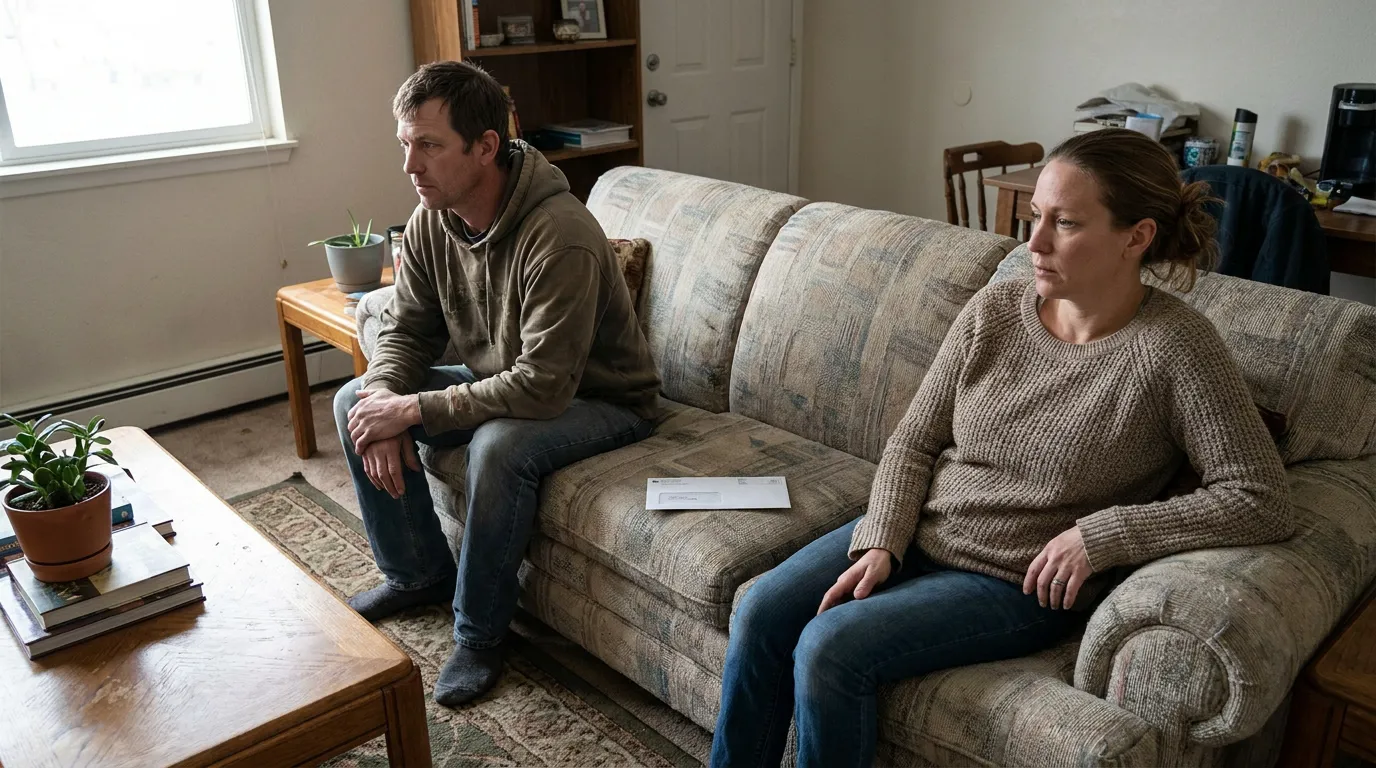
Understanding the Threshold for Domestic Violence Charges in Utah
Key Takeaways: Under Utah law, domestic violence charges rely on the specific legal definition of a cohabitant. A cohabitant is generally defined as an individual 16 or older who shares a specific relationship with the accused, such as being related by blood or marriage, sharing children, living in the same residence, or engaging in a consensual sexual relationship. The statute explicitly excludes certain relationships, like those between parents and minor children. Because cohabitant status triggers severe consequences like mandatory protective orders, challenging this classification is a critical defense strategy. If the prosecution cannot prove the relationship meets the statutory criteria, the domestic violence enhancement may be dismissed.
When facing criminal charges in Salt Lake City, understanding the precise legal definitions used by the prosecution is critical to building a strong defense. Utah law does not classify every altercation between individuals as domestic violence. Instead, the state relies on specific statutory criteria regarding the relationship between the parties involved. For an offense to be charged as domestic violence, the accused and the alleged party must meet the legal definition of a cohabitant.
If you are facing criminal charges and need aggressive legal representation, contacting Nix Law is an important first step. Our firm provides dedicated defense strategies tailored to your unique situation. You can reach our office by calling 385-444-2442 or visit our contact page to schedule a consultation and protect your constitutional rights.
The Statutory Framework of Utah Domestic Violence Laws
The foundation of domestic violence prosecution in the state is built upon the Cohabitant Abuse Procedures Act, located in Title 77, Chapter 36 of the Utah Code. Specifically, Utah Code § 77-36-2.2 outlines the powers and duties of law enforcement officers when responding to alleged domestic disputes. This statute dictates how police officers must handle arrests and reporting requirements when they suspect an offense has occurred between qualifying individuals.
💡 Pro Tip: Always exercise your right to remain silent if law enforcement questions you about your living arrangements or relationship status during an investigation, as these details can be used to establish cohabitant status.
Cross-Referencing the Cohabitant Definition
Because Title 77, Chapter 36 does not contain its own definition of a cohabitant, readers and legal practitioners must look to a separate section of the code. Utah Code § 77-36-1(1) states that the term has the same meaning as defined in the protective order statutes. This cross-reference directs the legal analysis to Utah Code Section 78B-7-102 which provides the operative legal standard. Understanding this connection is vital for anyone navigating the Salt Lake City court process.
This section is current and actively maintained law, having been amended during the 2025 General Session. Because the legislature frequently updates these definitions, relying on the most recent statutory language is necessary for an accurate domestic violence defense.
How Utah Law Defines a Cohabitant
Under current state statutes, a cohabitant is generally defined as an emancipated individual or someone who is 16 years of age or older who shares a specific type of relationship with the other party. The law captures various domestic and romantic arrangements. If the relationship does not fit into one of the enumerated categories, the alleged conduct cannot legally be classified as domestic violence.
Qualifying Relationships Under the Statute
The legislature has outlined several distinct categories that establish cohabitant status. These categories focus on familial ties, shared living spaces, and romantic involvement. According to the statute, individuals may qualify if they are current or former spouses, are living as if they are spouses, or are related by blood or marriage to the second degree.
- Individuals who have children in common.
- The biological parents of an unborn child.
- People who currently reside or have previously resided in the same residence.
- Individuals who are or were in a consensual sexual relationship.
💡 Pro Tip: The prosecution bears the burden of proving beyond a reasonable doubt that a qualifying cohabitant relationship existed at the time of the alleged offense.
Statutory Exclusions to the Cohabitant Definition
Just as the law includes specific relationships, it explicitly excludes others from the cohabitant definition. These exclusions are crucial for a criminal defense attorney evaluating the validity of a domestic violence charge. For instance, the relationship between a natural, adoptive, or step-parent and a minor child does not qualify under this specific statute. Additionally, relationships between natural, adoptive, step, or foster siblings who are under 18 years of age are excluded.
Why Cohabitant Status Matters for a domestic violence attorney utah
The classification of a relationship directly impacts the severity of the charges and the potential collateral consequences a defendant might face. A skilled domestic violence attorney utah understands that challenging the cohabitant status can sometimes dismantle the prosecution’s case. If the state cannot prove the individuals were cohabitants, the domestic violence enhancement may be dismissed. This could reduce the charges to standard misdemeanor or felony offenses without the domestic violence label.
When a charge carries a domestic violence designation, it often triggers mandatory protective orders and potential restrictions on firearm ownership. For those seeking to understand these restrictions, it is wise to consult a lawyer who has extensive experience navigating these complex legal waters.
Furthermore, the statute ties the concept of a victim directly to cohabitant status. Under Utah Code § 77-36-1, the law states that a victim means a cohabitant who has been subjected to domestic violence. When searching for a domestic violence attorney utah, it is crucial to find counsel who will aggressively challenge whether the opposing party even qualifies as a victim under this specific statutory definition.
💡 Pro Tip: Challenging the timeline of a past consensual sexual relationship or shared residency can be a viable defense strategy if the connection is too remote in time to satisfy the statutory intent.
Qualifying Offenses Between Cohabitants in Salt Lake City
A relationship alone does not result in criminal charges; a specific underlying offense must also be alleged. Under Utah Code § 77-36-1(4)(a), domestic violence means any criminal offense involving violence, physical harm, or the threat thereof when committed by one cohabitant against another. The statute provides a broad list of qualifying offenses that can trigger these enhanced procedures.
The legislature frequently updates these statutes, meaning the list of qualifying offenses can change. For example, recent amendments included aggravated cruelty to an animal when committed with the intent to harass or threaten the other cohabitant. To review the exact language of the overarching definitions, you can examine Utah Code 77-36-1 directly.
| Offense Category | Statutory Context | Impact on Cohabitants |
|---|---|---|
| Assault & Threats | Involves physical harm or fear of imminent harm. | Triggers domestic violence enhancements. |
| Property Offenses | Criminal mischief or damage to shared property. | May result in mandatory arrest procedures. |
| Animal Cruelty | Aggravated cruelty intended to harass the cohabitant. | Added in recent legislative sessions as a qualifying offense. |
| Sexual Offenses | Non-consensual acts alleged between parties. | Carries severe collateral consequences and protective orders. |
The statutes also encompass various relationship statuses relevant to who counts as a cohabitant. The law explicitly includes couples who are currently married, formerly married, or individuals who are or were living as if they are spouses.
Defending Against Domestic Violence Charges in Salt Lake City
Building a robust domestic violence defense requires scrutinizing every element of the state’s case, starting with the relationship threshold. Prosecutors often rush to apply the domestic violence label without fully verifying the statutory requirements. An effective defense strategy involves holding the state to its high burden of proof regarding both the alleged act and the cohabitant status.
Many individuals falsely assume that any roommate situation automatically qualifies under the law. However, the nuances of residing in the same residence can be contested depending on the specific living arrangements. If you are navigating these allegations, securing proper legal representation is essential to ensure your side of the story is heard in court.
💡 Pro Tip: Documentation such as separate lease agreements, utility bills, or text messages can sometimes be used to dispute claims of shared residency or a consensual sexual relationship.
The presumption of innocence remains the cornerstone of Utah criminal law. Just because an arrest was made under the Cohabitant Abuse Procedures Act does not mean a conviction is guaranteed. A dedicated defense team will investigate the facts, challenge unlawful evidence, and advocate fiercely for your constitutional rights.
Frequently Asked Questions
1. What happens if we only lived together for a short time?
The statute includes individuals who reside or have resided in the same residence, but courts may consider the nature and duration of the living arrangement. Temporary stays might not satisfy the legal definition. A defense lawyer can argue that a transient living situation does not meet the statutory threshold for cohabitation.
2. Can siblings be considered cohabitants under Utah law?
Siblings can be considered cohabitants, subject to specific age-related exceptions. The law explicitly excludes relationships between natural, adoptive, step, or foster siblings if they are under 18 years of age. Once siblings reach adulthood, they may fall under the category of individuals related by blood to the second degree.
3. Does a consensual sexual relationship automatically make someone a cohabitant?
While a consensual sexual relationship is a qualifying category, the state must still prove that such a relationship existed. Ambiguous relationships can be challenged during the legal process. The defense can cross-examine witnesses and present evidence to dispute the nature of the relationship.
4. How does cohabitant status affect the Salt Lake City court process?
If the court determines the parties are cohabitants, the case is subject to the Cohabitant Abuse Procedures Act. This often means mandatory arrest policies, strict bail conditions, and the automatic issuance of pretrial protective orders. Removing the cohabitant designation can significantly alter the trajectory of the court proceedings.
5. Are there exceptions to the cohabitant definition?
Yes, the law provides clear boundaries regarding who is excluded from this classification. As mentioned, parent-to-minor relationships and minor sibling relationships are handled under different statutory frameworks. Courts interpret these exceptions carefully when determining jurisdiction and applicable charges.
Navigating the complexities of Utah criminal law requires a deep understanding of statutory definitions and procedural rules. The term cohabitant is the linchpin of domestic violence prosecution in the state. By challenging the prosecution’s narrative and scrutinizing the relationship criteria, a dedicated defense can protect the constitutional rights of the accused.
If you or a loved one is facing criminal allegations, securing trusted counsel from Nix Law can make a significant difference in your case. We are committed to providing rigorous defense services tailored to your situation. Contact our legal team today at 385-444-2442 to discuss your options. You can also reach out through our contact page to schedule a comprehensive case evaluation.