
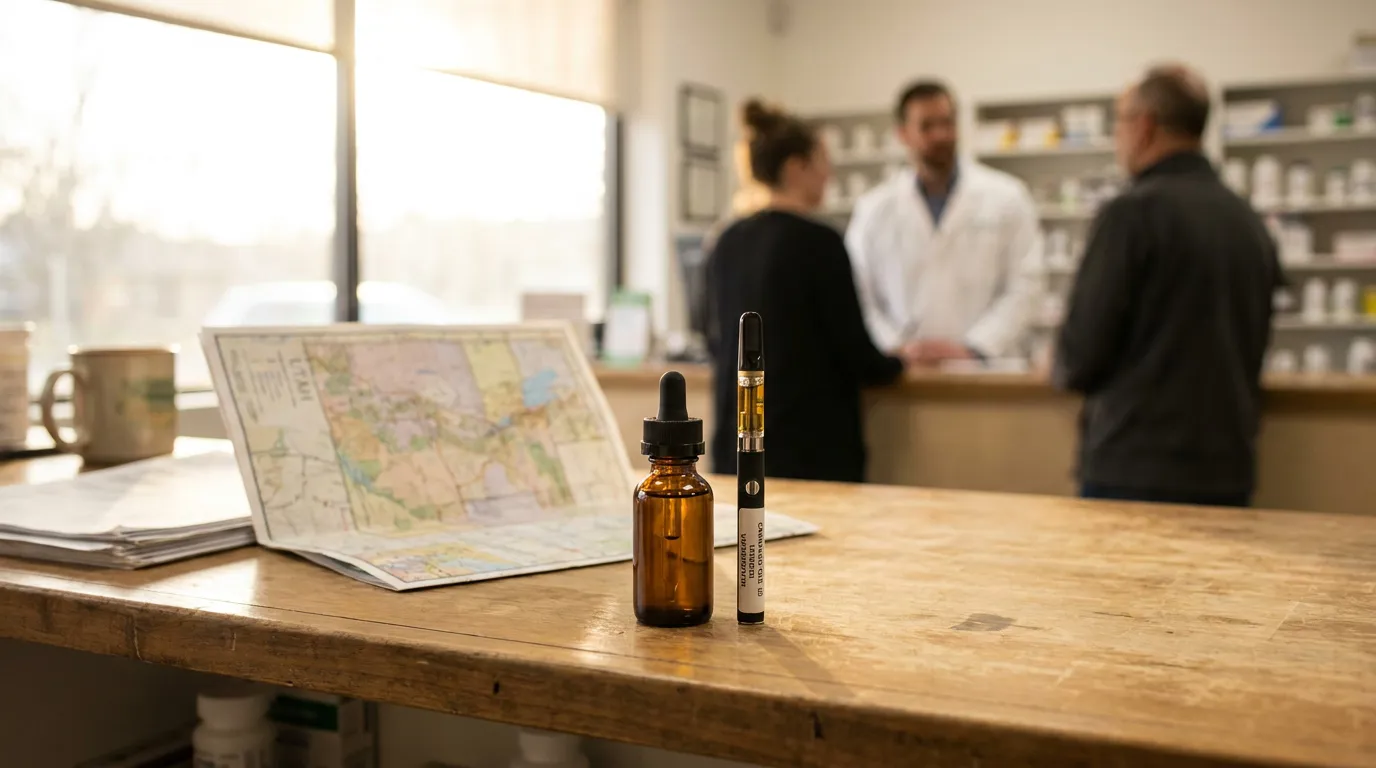
Understanding Legal Cannabis Products in Salt Lake City
Key Takeaways: Medical marijuana is legal in Salt Lake City only in specific approved forms and only for qualifying patients who obtain products through state-licensed pharmacies. Utah permits flower, tablets, capsules, concentrated oil, liquid suspension, topicals, transdermal patches, sublingual preparations, and lozenges, while smoking, certain heated-nail vaporization methods, and home cultivation remain prohibited. Raw flower is allowed but must follow packaging and 60-day expiration rules. Patients face quantity limits including a 30-day supply not exceeding 113 grams of unprocessed flower and a cap of 20 grams of total active THC in processed products. Out-of-state cardholders can apply for a temporary 21-day card, up to twice per year, to purchase from Utah pharmacies. Anything outside the approved list or obtained outside licensed channels generally falls under the Utah Controlled Substances Act. If you face a cannabis-related charge, the form, source, quantity, and cardholder status can all become central to your defense.
Medical cannabis is legal in Salt Lake City only in a defined set of product forms, and only for qualifying patients who obtain it through licensed channels. Utah’s program authorizes specific delivery methods while prohibiting others, which means the difference between lawful purchase and criminal exposure can turn on the product form. Understanding what the state permits is the first step toward staying on the right side of the law. This article breaks down the approved forms, the restrictions, and what it means if you find yourself under scrutiny.
If you have questions about how these rules apply to your situation, the team at Nix Law is ready to help. You can call our office at 385-444-2442 to discuss your circumstances, or reach out through our confidential intake form to get started.
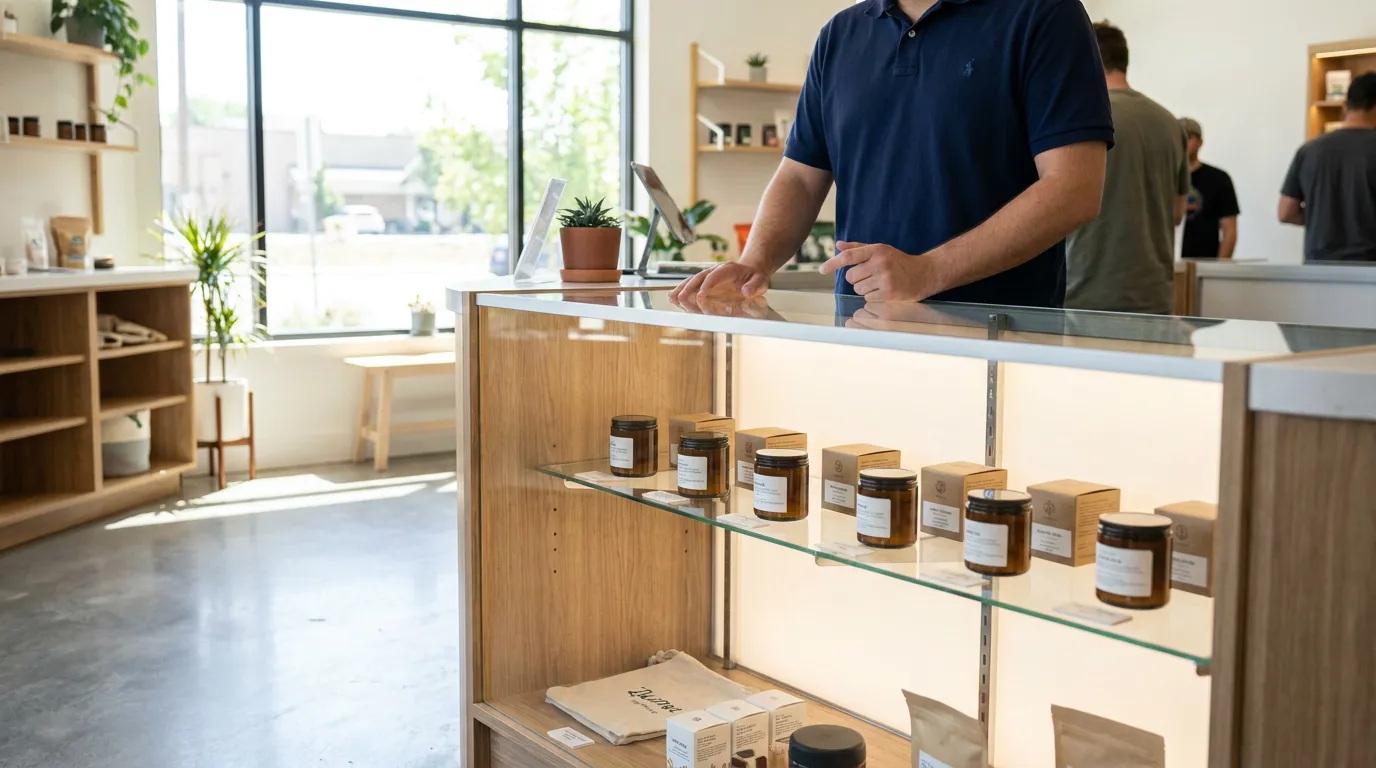
How Utah Marijuana Laws Define Approved Product Forms
Utah’s medical cannabis framework is a specific list of permitted product forms rather than an open allowance for any cannabis product. State authorities identify the delivery methods that qualifying patients may lawfully receive from a licensed pharmacy. Anything outside that list generally falls under the Utah Controlled Substances Act and may be treated as an unlawful controlled substance.
Under current rules, cannabis may be dispensed in several distinct forms. According to the Marijuana Policy Project, permitted forms include flower or bud, tablets, capsules, concentrated oil, liquid suspension, topicals, transdermal patches, sublingual preparations, and lozenges.
The statutory framework appears in Utah’s Cannabinoid Research and Medical Cannabis statute, Utah Code § 26B-4-2, together with the exemption for possession or use of cannabis to treat a qualifying illness under Utah Code § 58-37.3.9. The broader Utah Controlled Substances Act, Utah Code § 58-37, and the medical cannabis decriminalization statute, Utah Code § 58-37.3.7, clarify that cannabis outside the program’s approved parameters generally remains a controlled substance.
Permitted Product Categories
The approved categories reflect a preference for measured, processed forms over combustible ones. State-recognized medical cannabis products include tablets, capsules, concentrated oils, topical preparations, transdermal preparations, sublingual preparations, liquid suspension, and gelatinous cubes or lozenges.
Here is a simplified overview of common permitted categories:
- Oral forms: tablets, capsules, lozenges, and gelatinous cubes
- Concentrates and liquids: concentrated oil and liquid suspension
- Topical and transdermal: creams, patches, and similar preparations
- Sublingual preparations: products designed for absorption under the tongue
- Raw flower: permitted, but subject to packaging and expiration rules discussed below
💡 Pro Tip: Keep your dispensing labels and receipts. Documentation showing that a product came from a licensed pharmacy in an approved form can be important if a legality question later arises.
Flower and Packaging Rules
Raw, unprocessed cannabis flower is permitted, but carries packaging and expiration requirements that other forms do not. Guidance published by NORML notes that raw cannabis must be dispensed in a tamper-resistant sealed container carrying a 60-day expiration date.
Packaging options for flower have evolved over time. The Marijuana Policy Project notes that SB 121, signed on February 28, 2020, allows flower to be dispensed in child-proof bottles rather than only in blister packs.
Forms That Remain Off-Limits Under State Law
Not every method of consuming cannabis is legal in Utah, and the restrictions matter as much as the allowances. The permitted-form list is deliberately narrow, and consuming cannabis in a prohibited manner can undercut the legal protection that a medical cannabis card otherwise provides.
Smoking and Vaporization Restrictions
Smoking medical cannabis is not a lawful form of consumption in Utah. State materials indicate that smoking is prohibited under Utah’s medical marijuana law, and the law does not protect possession of devices that facilitate combustion.
Certain vaporization methods are also restricted. The Marijuana Policy Project states that vaporizing cannabis products using a heated nail is prohibited. These carve-outs narrow how patients may consume even otherwise-approved forms.
💡 Pro Tip: Possessing a legal product does not automatically make every method of use legal. If you are unsure whether a device or technique is permitted, it is safer to confirm before relying on it.
Where Approved Cannabis Products Must Come From
Legally obtained medical cannabis in Utah must originate from state-licensed production and dispensing channels, not from home gardens or other states. The program is built around a closed system of licensed producers and pharmacies. Products acquired outside that system generally fall outside the exemption.
Home cultivation is not an option under Utah’s program. NORML explains that replacement legislation approved on December 3, 2018 rewrote the Utah Medical Cannabis Act to eliminate any home cultivation option, confirming that patients must purchase from medical cannabis pharmacies. The Cannabis Production Establishments statute, Utah Code § 4-41a, reinforces that lawful products come from licensed channels.
Possession Limits and Access for Cardholders
Even lawful forms are subject to quantity limits and card requirements that shape what a patient may legally hold. These parameters are central to understanding how much cannabis you may possess without stepping outside the program’s protection. Exceeding a limit can convert an otherwise-lawful situation into a potential charge.
Utah sets specific quantity thresholds for medical cannabis. NORML states that patients may obtain up to a 30-day supply, and that a 30-day supply of unprocessed cannabis should not exceed 113 grams by weight. Separately, Utah’s legal dosage limit caps processed products at 20 grams of total active THC across that supply.
Out-of-State Visitors and Temporary Access
Visitors to Salt Lake City who hold valid cards from their home states may sometimes gain temporary access. NORML explains that out-of-state cardholders can apply for a temporary 21-day card, with up to two per calendar year, to purchase from Utah cannabis pharmacies.
💡 Pro Tip: If you visit Utah with an out-of-state card, confirm your temporary authorization is active before you purchase. A lapse in coverage can leave you without the protection you expected.
What This Means If You Are Facing Drug Charges in Salt Lake City
When cannabis-related charges arise, the form of the product, its source, and your cardholder status can all become central to the defense. Prosecutors must prove each element of an offense beyond a reasonable doubt, and the specifics of how cannabis was possessed and obtained often create room to challenge the state’s case. A defense-focused review may examine whether a search was lawful, whether possession and knowledge can be established, and whether the product fell within the program’s approved parameters.
Medical status can be relevant to a defense, but it is not a blanket shield. Whether a card protects you depends heavily on the facts, including the product form, the quantity, and the manner of use. To understand how medical status may factor into a case, you can review whether medical cannabis can serve as a defense in a given situation.
A defense strategy often centers on procedure as much as substance. If you are dealing with a citation or arrest, working with a firm experienced in marijuana possession defense can help you evaluate search-and-seizure issues, chain-of-custody concerns, and possible diversion or drug-court options.
💡 Pro Tip: If you are questioned by law enforcement about cannabis, you generally have the right to remain silent and to decline consent to a search. Exercising those rights politely can preserve important defense options later.
Frequently Asked Questions
-
Is smoking medical marijuana legal in Utah?
No, smoking is not a permitted form of consumption. State materials indicate that smoking is prohibited under Utah’s medical marijuana law, and the law does not protect devices that facilitate combustion.
-
Can I grow my own medical cannabis in Salt Lake City?
Home cultivation is not permitted in Utah. The replacement legislation that rewrote the Medical Cannabis Act eliminated any home-growing option, and patients must purchase from licensed medical cannabis pharmacies.
-
How much medical cannabis can I legally possess?
Utah generally allows up to a 30-day supply. A 30-day supply of unprocessed cannabis should not exceed 113 grams by weight, and processed products are capped at 20 grams of total active THC. Exceeding these thresholds can raise legal risk.
-
Do out-of-state medical cards work in Utah?
They can, on a limited and temporary basis. Visitors with valid home-state cards may apply for a temporary 21-day card, up to two per calendar year, to access Utah pharmacies. Confirm your authorization before purchasing to avoid gaps in coverage.
-
What forms of cannabis are actually approved?
Utah permits a defined list of forms. These include flower, tablets, capsules, concentrated oil, liquid suspension, topicals, transdermal patches, sublingual preparations, and lozenges. Anything outside the list may be treated as an unlawful controlled substance.
Bringing It All Together
Utah’s approach to medical cannabis is narrow and specific, allowing only certain product forms from licensed sources for qualifying patients. Flower, oils, capsules, topicals, and similar preparations are permitted, while smoking and certain vaporization methods are not, and home cultivation remains off the table. Quantity limits and card requirements further define what is lawful, and the details of any given situation can determine whether a person is protected or exposed.
If you are facing a cannabis-related citation, investigation, or charge in Salt Lake City, the attorneys at Nix Law are prepared to review your options. Call us at 385-444-2442 or connect through our case evaluation page to discuss how the law may apply to your circumstances. Taking action early can help protect your rights and preserve important defense strategies.