
Understanding the Work Vehicle Carve-Out in Utah’s Interlock Law
Key Takeaways: Utah law generally requires interlock restricted drivers to have an approved device on any vehicle they operate, but the statute provides a narrow employment-related affirmative defense. That defense requires several conditions at once: the vehicle must be the employer’s and not available for personal use, it cannot be owned by a business entity the driver owns or controls, the driving must occur within the scope of employment, and the driver must have employer verification in hand while driving. Sole proprietors and LLC members who own or control the employing entity generally fall outside the defense, and personal use of an employer vehicle is expressly excluded. Failing any single condition can defeat the defense, and documentation such as written employer verification, dispatch records, and title and insurance records is often decisive. The defense concerns liability for driving a particular employer vehicle, not how long the restriction lasts, and amendments over the years mean the law in effect at the time of your offense may differ from today’s text. Because outcomes depend on specific facts, a review of your court and Driver License Division orders is essential.
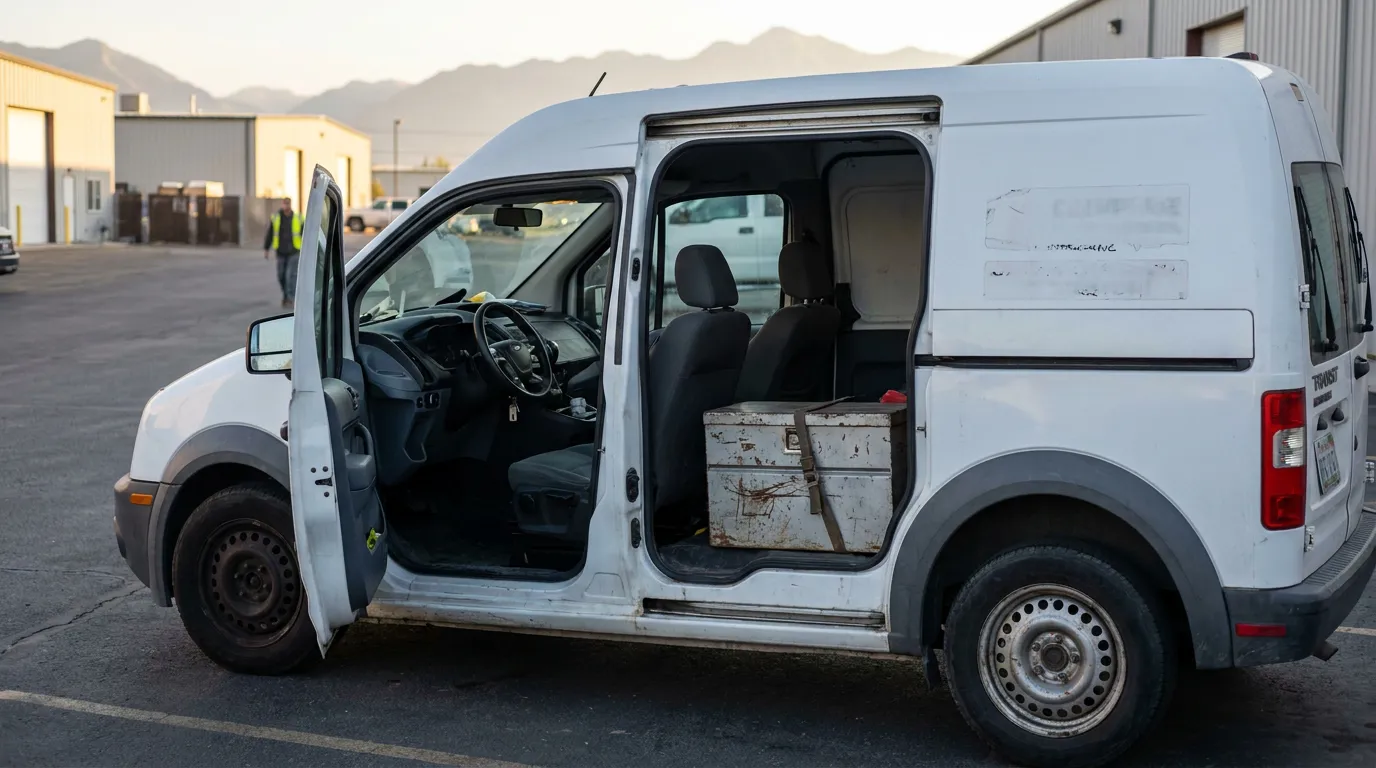
If you are an interlock restricted driver in Utah and your job requires you to drive a company truck, van, or fleet car, you may be able to operate that vehicle without an ignition interlock device installed. Utah law generally requires a restricted driver to have an approved device on any vehicle they operate, and driving without one is charged as a class B misdemeanor, but the statutory scheme provides a narrow employment-related affirmative defense. That defense typically does not extend to vehicles owned by a business you control or to personal use of the boss’s car.
If you are facing a DUI charge or already living under an interlock restriction in Salt Lake County, the team at Nix Law can help you understand your options. Call 385-444-2442 or contact us now to discuss how the restriction may affect your job and your license.
What Utah’s Ignition Interlock Statutes Actually Require
Utah’s interlock framework rests on several provisions rather than a single rule. Utah Code § 41-6a-518 addresses court-ordered interlock use and defines terms such as "employer verification," while Utah Code § 41-6a-518.2 defines who is an interlock restricted driver, sets the restriction periods, creates the criminal penalty, and supplies the employer vehicle affirmative defense. Title 53, Chapter 3, Part 10, the Ignition Interlock System Program Act, governs certified providers and the notifications they must make to the Driver License Division.
Related provisions supply equipment, certification, and reporting requirements that make the system function. For the current statutory text, drivers can review the Legislature’s site, including ignition interlock system requirements and related interlock sections addressing approved devices and conditions attached to their use. Reading these sections together matters because relief under one statute does not automatically create relief under another.
Understanding the full scope of the restriction period is often the first practical step. Many Utah drivers convicted of a first DUI face a lengthy restriction, and our overview of the 18-month ignition interlock requirement explains how that timeline typically works. For many offenses the clock runs from the date proof of installation is provided rather than from the conviction date, so delay in installing can extend the burden. The length of your restriction can influence how important the employment defense becomes to your livelihood.
Who Qualifies for the Utah Interlock Exemption at Work
Eligibility generally turns on several threshold questions: who owns the vehicle, whether it is available to you for personal use, why you are driving it, and whether you carry employer verification. Utah law typically allows a restricted driver to raise an affirmative defense when operating an employer’s vehicle without a personally installed device, provided the statutory conditions are satisfied. The defense is narrow by design and tends to be applied narrowly.
The Ownership Condition
The defense generally does not apply to a vehicle owned by a business entity that you own or control, in whole or in part. The statutory language limits the defense so a restricted driver generally cannot register a vehicle to a business they own or control and then claim it is an "employer’s vehicle." This is generally understood to close a loophole that might otherwise let self-employed drivers and business owners sidestep the requirement.
Sole proprietors and LLC members who hold any ownership or control interest in the employing entity should assume the defense does not apply without a careful review of ownership records. Whether an interest is partial or indirect can be fact-sensitive, and courts and the Driver License Division may look past the name on the title. A vehicle titled to a spouse or another individual rather than to your employer generally will not qualify at all.
The Course-and-Scope Condition
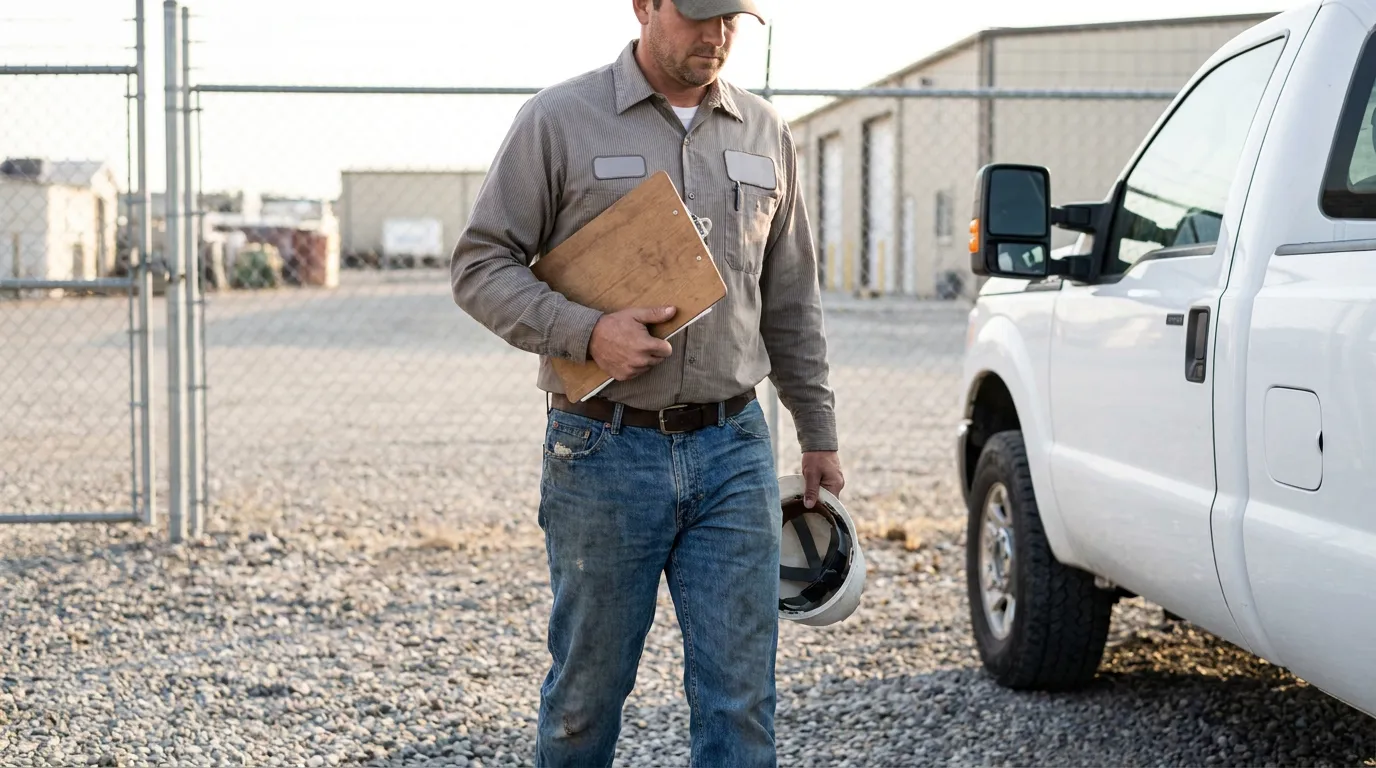
The defense generally covers driving in the scope of employment only, and does not apply to an employer-owned vehicle made available to you for personal use. Running personal errands or borrowing the vehicle on a weekend typically falls outside the protection, even if the vehicle itself would otherwise qualify. A restricted driver who uses a company vehicle for personal purposes may face a new charge independent of the underlying DUI case.
Practically speaking, employees should treat the vehicle as a work-only tool during the restriction period. Keeping dispatch records, route logs, or timesheets can help demonstrate that a disputed trip occurred within the scope of employment.
The Employer Notice Condition
Utah’s framework generally requires that the driver have employer verification on their person or in the vehicle at the time of driving. That verification is a defined term and typically involves a written statement from the employer, along with related conditions such as the employer’s insurer being aware of the restriction and the employee being listed on the employer’s policy. Verbal understandings do not satisfy the document requirement, so written confirmation carried with you is the safer practice.
This condition creates a difficult conversation for many workers. Disclosure feels risky, but relying on the defense without employer knowledge and written verification generally forfeits its protection and can expose the driver to further criminal and administrative consequences.
💡 Pro Tip: Ask your employer for a dated letter confirming they know about your restriction and that the vehicle is assigned for work duties only. Keep a copy in the vehicle and another at home.
Quick Comparison of Common Scenarios
| Scenario | Exception Likely Available? | Key Issue |
|---|---|---|
| Employee drives company fleet truck on assigned route | Generally yes, if employer is notified | Course and scope of employment |
| Sole proprietor drives vehicle titled to own LLC | Generally no | Ownership by the restricted driver |
| Employee takes company van to run weekend errands | Generally no | Outside scope of employment |
| Spouse’s vehicle used for a side job | Generally no | Household member ownership |
| Employer never told of the restriction | Generally no | Missing notice condition |
How Legislative Changes Have Shaped Utah DUI Interlock Rules
Utah’s interlock provisions have been amended repeatedly as the Legislature has adjusted penalties, restriction periods, and defenses. The 2019 General Session produced Senate Bill 131, one of several bills touching statutory criteria connected to interlock requirements under Title 41. This is a reminder that the version of the law in effect at the time of your offense or license action may differ from the current text.
Because amendments happen, drivers should verify the operative statutory language rather than relying on older summaries. A restriction imposed several years ago may be governed by different terms than one imposed today. This is one reason a Salt Lake City DUI attorney will typically review the charging documents, the conviction date, and the Driver License Division order together.
Practical Steps for an Interlock Restricted Driver
Protecting your ability to work usually starts with confirming exactly what your restriction says. The Driver License Division record and the sentencing order may impose overlapping but distinct obligations, and administrative license proceedings are generally separate from the criminal case. Missing an administrative deadline, including the short window to request a DLD hearing after an arrest, can cost you driving privileges regardless of what happens in court.
Steps that commonly help include:
- Requesting a copy of your driving record and the written restriction terms
- Confirming in writing that your employer knows about the restriction
- Verifying vehicle title and lease documents to rule out household ownership
- Documenting work assignments to establish the scope of employment
- Tracking the exact start and end dates of the restriction period
💡 Pro Tip: If your job involves a commercial driver’s license, treat the analysis as separate. CDL disqualification rules generally operate independently of the passenger vehicle interlock defense, and relief in one area does not imply relief in the other.
Common Problems That Undermine Interlock Exemption Eligibility
The most frequent problem is a mismatch between what the driver assumes and what the statute actually permits. Drivers often believe any work-related driving qualifies, when the defense generally depends on employer ownership, absence of personal use, verification, and scope of employment all at once. Failing any one condition can defeat eligibility.
A second recurring issue involves incomplete records. Because this operates as an affirmative defense, the driver generally bears the burden of producing evidence supporting it, and memory alone rarely carries that weight. Outcomes depend heavily on the specific facts and documentation available.
Frequently Asked Questions
1. Does the exemption let me drive my employer’s vehicle home after work?
Generally, it depends on whether the vehicle is made available to you for personal use and whether the trip falls within the scope of employment; a take-home vehicle available for personal use is expressly outside the defense. Assume commuting is not covered unless a lawyer reviews your situation.
2. What if I own part of the company that owns the truck?
The defense expressly does not apply to a vehicle owned by a business entity that is entirely or partly owned or controlled by the restricted driver. Partial or indirect ownership or control may disqualify you, and the court or Driver License Division may examine the underlying records.
3. Do I have to tell my employer about my DUI restriction?
To rely on the employer vehicle defense, the employer generally must know about the restriction and provide the written verification you carry while driving. Utah’s Driver License Division publishes driver license resources that can help you understand your restricted status before that conversation.
4. Can I lose the exemption after I qualify for it?
Potentially, yes. Using the vehicle for personal purposes, a change in employment, or letting the verification lapse can end the protection. The defense applies only to a specific set of circumstances and may not survive changes to those circumstances.
5. Does the exemption shorten my overall interlock period?
Generally, no. The defense addresses liability for operating a particular employer vehicle during the restriction, not how long the restriction lasts. Duration is governed separately by statute and any court or administrative order, though separate provisions allow a driver to petition the Driver License Division for removal of the restriction in limited circumstances, such as an offense not involving alcohol or certain first offenses after a waiting period.
Where This Leaves Utah Drivers Facing an Interlock Restriction
The utah interlock exemption is generally a limited, condition-based affirmative defense rather than a general pass for anyone who drives for a living. It generally requires an employer’s vehicle not available for personal use, driving within the scope of employment, and employer verification carried at the time of driving, with a limitation excluding vehicles owned by a business entity the driver owns or controls in whole or in part. Because Utah DUI interlock rules have been amended over time and eligibility depends on specific facts, no summary substitutes for a review of your own orders and records.
If your job depends on driving and you are navigating a DUI charge or an existing restriction, Nix Law is prepared to review your circumstances and explain what the law may allow. Call 385-444-2442 or reach out to our team to get started.
Disclaimer: This content is for informational purposes only and is not legal advice. Every case is unique, and results may vary. Consult an attorney about your specific circumstances.