
What Is Enticing a Minor Under Utah Code 76-5-417?
Understanding Online Enticement Allegations in Utah Key Takeaways: Enticing a minor to engage in sexual activity under Utah Code § 76-5-417 occurs when a person knowingly uses an electronic communication or device to solicit, seduce, lure, or entice a minor, or someone they believe to be a minor, into sexual activity that would violate state […]
Who Qualifies for Utah’s Ignition Interlock Employment Exemption?
Understanding the Work Vehicle Carve-Out in Utah’s Interlock Law Key Takeaways: Utah law generally requires interlock restricted drivers to have an approved device on any vehicle they operate, but the statute provides a narrow employment-related affirmative defense. That defense requires several conditions at once: the vehicle must be the employer’s and not available for personal […]
What Is an Alcohol Restricted Driver in Utah and Who Qualifies?
Utah’s Zero-Tolerance Rule: Understanding Alcohol Restricted Driver Status Key Takeaways: An alcohol restricted driver in Utah, as defined under Utah Code § 41-6a-529, is prohibited by Section 41-6a-530 from driving with any measurable or detectable amount of alcohol in their body, replacing the state’s 0.05% BAC standard with zero tolerance. The status applies to individuals […]
Utah’s 2026 Protective Order Amendments and the Falsified Petition Defense

What A Violation Of Protective Order Utah Charge Could Mean After The 2026 Reforms Key Takeaways: Utah’s protective order framework saw active legislative revision heading into 2026, and defendants need to understand how these changes affect their rights. A protective order can be issued ex parte, meaning before the accused is heard, raising concerns about […]
What Is an NCMEC CyberTipline Report and How Does It Reach Utah Police?

How a Tip Sent to a National Hotline Can End Up on a Utah Detective’s Desk Key Takeaways: An NCMEC CyberTipline report is a referral to the National Center for Missing & Exploited Children when a platform or member of the public suspects online child exploitation. Most reports come from electronic service providers complying with […]
What Counts as Violating a Protective Order Under Utah Code 76-5-108?
Understanding How Utah Treats Contact After a Court Order Is Entered Key Takeaways: Under Utah Code §76-5-108, a violation occurs when a respondent subject to a qualifying protective order intentionally or knowingly does something the order forbids after being properly served or present when issued. Prohibited conduct includes indirect contact through friends, relatives, social media, […]
What Is Utah’s Good Samaritan Overdose Law and Who Does It Protect?
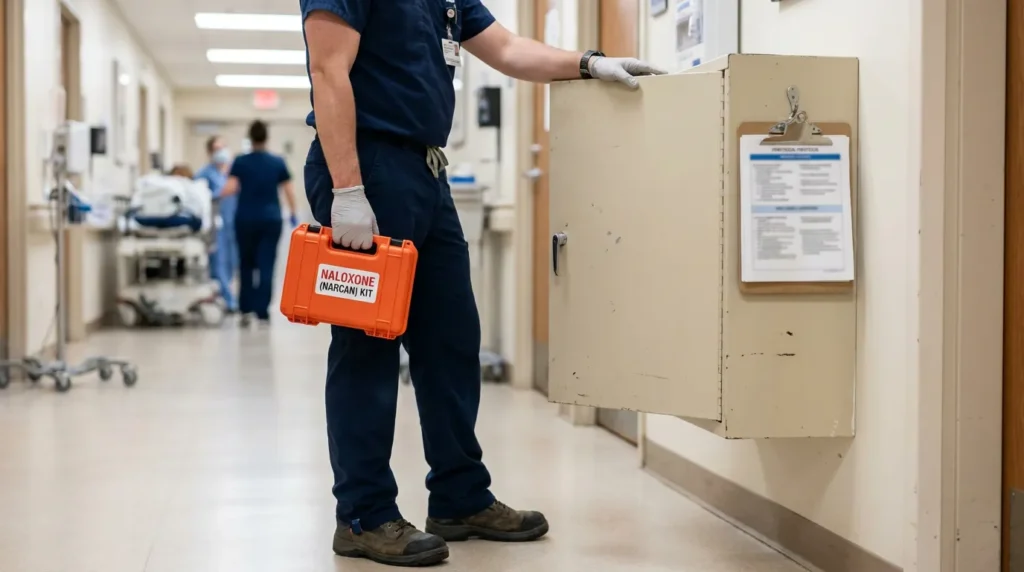
Calling 911 During an Overdose in Utah: What the Law Actually Protects Key Takeaways: Utah’s Good Samaritan overdose law (Utah Code § 58-37-8(16)) is an affirmative defense, not blanket immunity, it’s raised after charges are filed and doesn’t prevent arrest. It protects overdose victims and bystanders who report in good faith to medical providers, EMS, […]
How Attorneys Challenge K-9 Alert Searches in Utah Fentanyl Stops
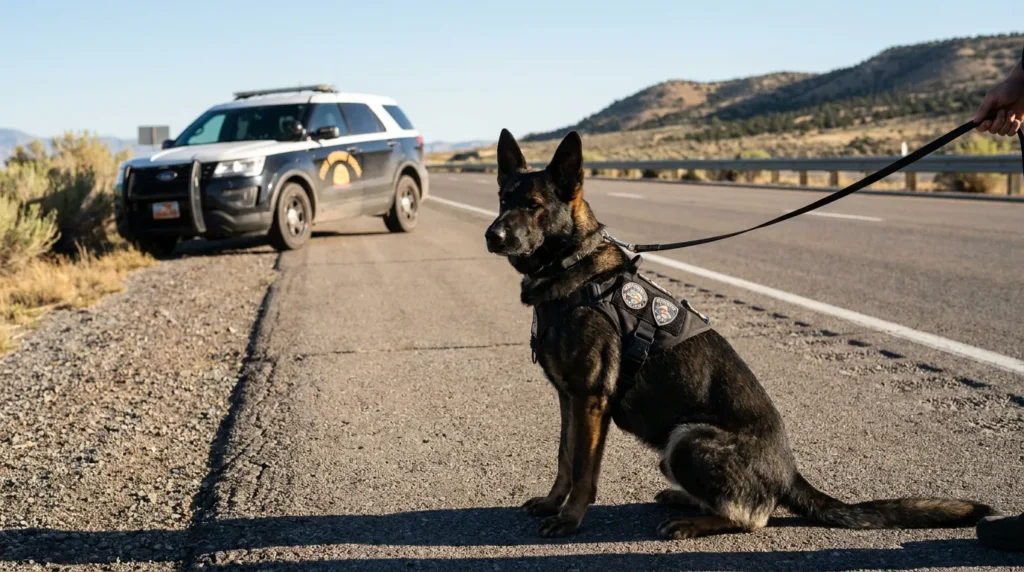
New Scrutiny for K-9 Drug Stops and the Utah Good Samaritan Overdose Law Key Takeaways: K-9 alert searches during fentanyl traffic stops in Salt Lake City sit at the intersection of federal and Utah constitutional protections. Defense attorneys often challenge drug-dog reliability, stop duration, and whether officers had genuine probable cause before a vehicle search. […]
How Long Are You an Alcohol Restricted Driver in Utah After a First DUI?
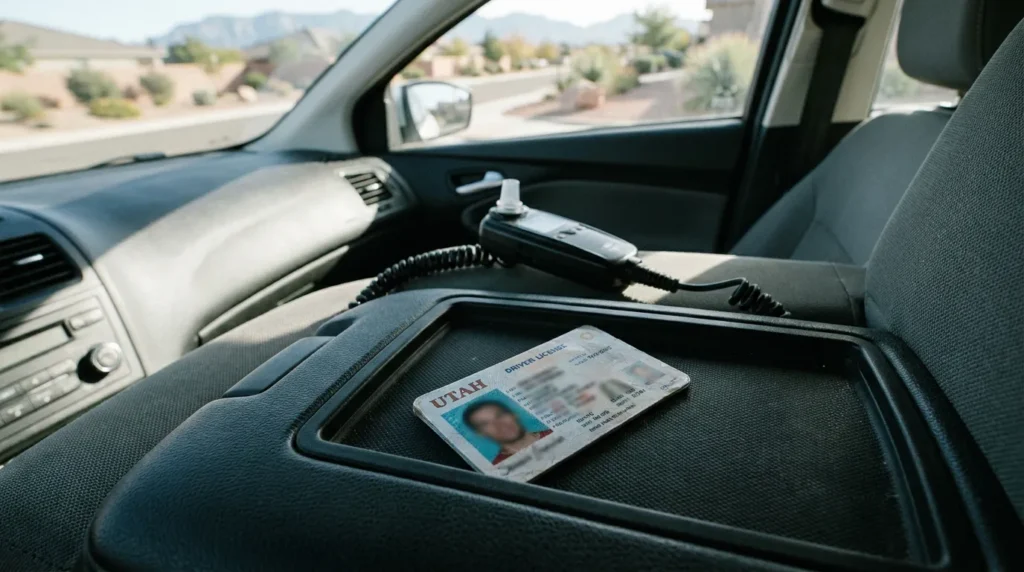
Understanding Utah’s Two-Year Alcohol Restriction After a First DUI Conviction Key Takeaways: In Utah, a first DUI conviction makes you an alcohol restricted driver for two years, during which operating a vehicle with any measurable alcohol is a class B misdemeanor. This status attaches automatically under Utah Code §41-6a-529 and applies to administrative suspensions and […]
Can You Still Be Charged After Calling 911 for an Overdose in Utah?
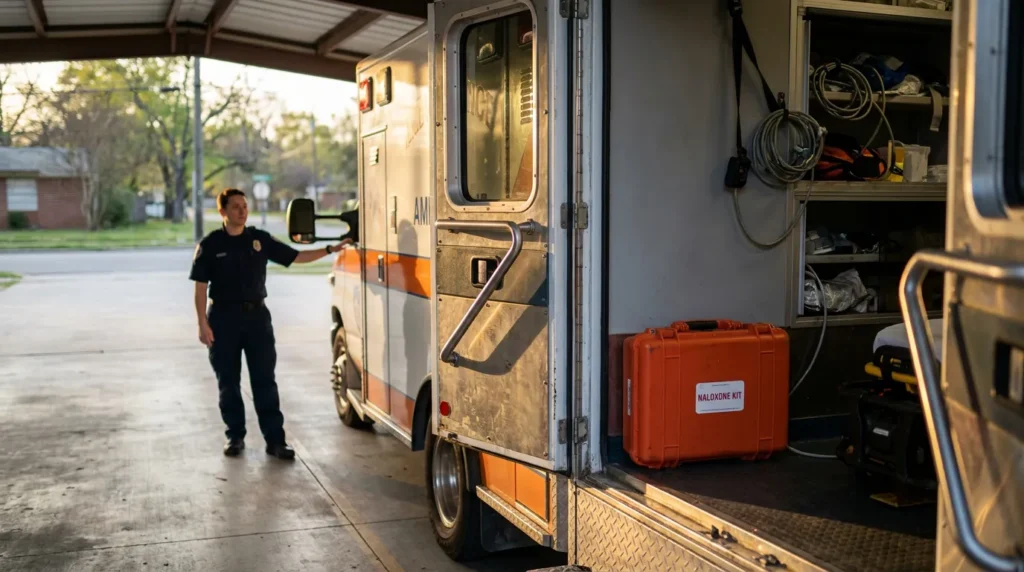
Utah’s Good Samaritan Overdose Law and Why Charges Can Still Follow a 911 Call In Utah, you can still be arrested and charged after calling 911 for an overdose. Utah’s Good Samaritan overdose law does not grant blanket immunity. Instead, it provides an affirmative defense to certain drug-possession and paraphernalia charges for the caller and […]